Alexandra Falls, Northwest Territories, Canada

The earth has its music, for all who will listen.
George Santayana
From my August trip to Canada’s North, (above the 60th parallel), the spectacularNorthwest Territories…
Alexandra Falls, Northwest Territories, Canada
George Santayana
From my August trip to Canada’s North, (above the 60th parallel), the spectacularNorthwest Territories…

There’s nothing quite like a wine and food festival as a place to savour the tastes of summer. And one held among the vines right in a vineyard on a warm summer solstice eve is sure to be an extra special treat.
So when my sister asked if I would be interested in going along with her to help shoot such an event, I jumped at the chance. She had been asked by one of her clients to photograph the annual TD Tailgate Party that wraps up the Niagara New Vintage Festival.
My sister operates a busy marketing / communications / public relations consulting business (Winestains) in the Niagara area — one of Canada’s preeminent wine regions – and many of her clients are wineries or wine events. She’s always included photography in her social media contracts, but lately, more and more new clients have been asking for her event photography services.
We had travelled to southern Ontario to celebrate my sister’s birthday and her anniversary. But pro that she is, when the request came in, she didn’t want to let her clients down, so we decided to make a day of it — combining work with our passion for photography with spending time in each other’s company.
She knows how much I love photography and last year I had taken some shots at a Chardonnay festival we attended with her that she liked and was able to use. But being promoted to number two shooter at a wine event was an exciting new experience for me — one I relished and really learned from.
It struck me afterward that event photography is a bit of a mix of street photography, lifestyle photography and still life, all of which I have tried over the years.
You have to be fast, anticipate well, and shoot quickly (and a lot) in order to catch candid moments with good compositions, as you do in street photography. But you also want to show people in their best light, as you do in lifestyle and portrait photography. No odd expressions or embarrassing moments wanted here!
And wine and food events certainly require some set ups as does still life to showcase the “heroes” and the ambiance. At the back of your mind, you must always remember what the client is looking to convey to their audience through your images (a list of subjects and moods can be helpful) and continually aim to capture that.
We came home tired but happy that night. We had such a great time photographing the happy participants as they spent the evening socializing with friends and sampling new vintages and local favourites from all the winery partners as well as the yummy food offered by local vendors.
The next night was set aside for celebrating my dear sister. And celebrate we did! That is another story.

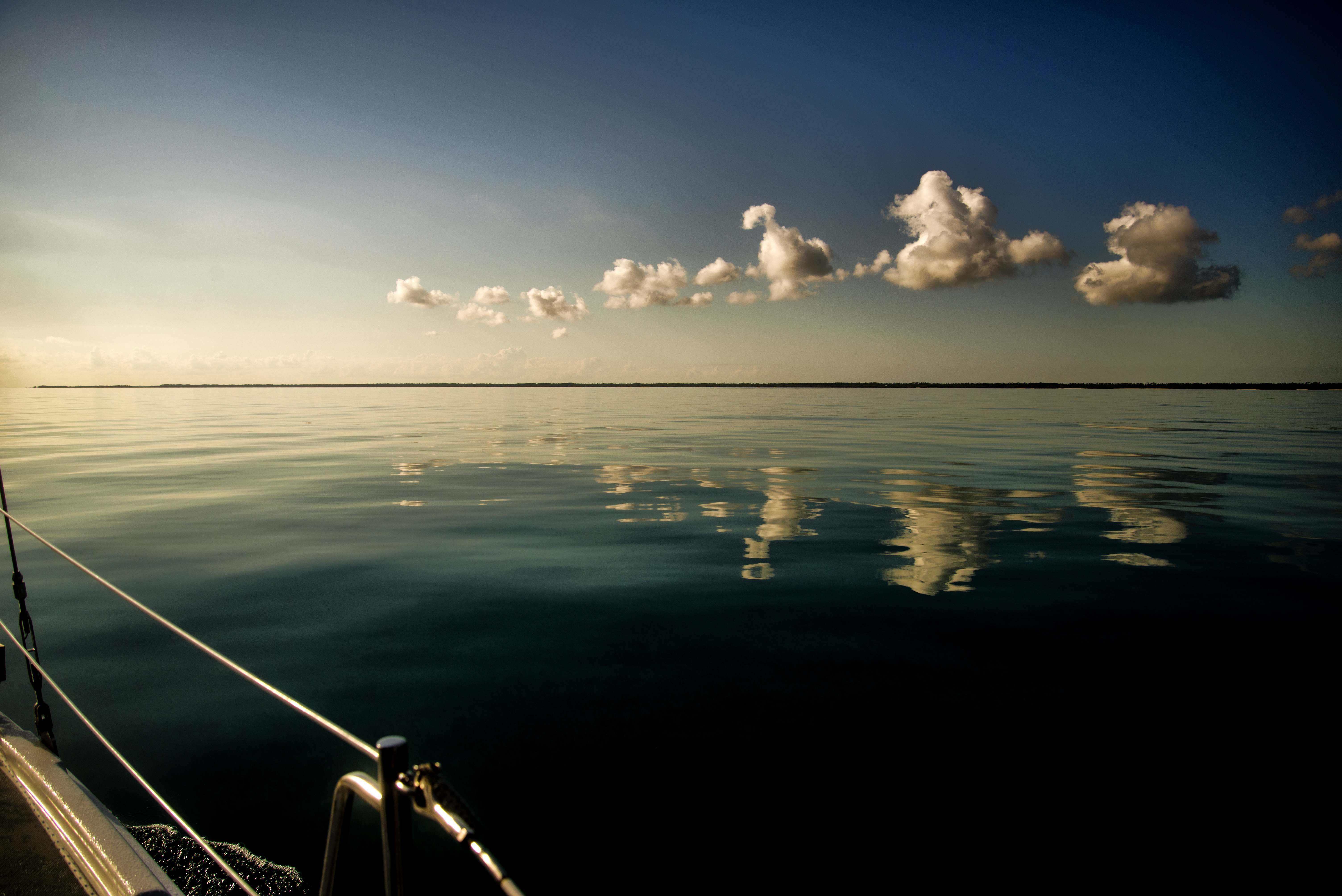
Artisan State has a great offer on now for photobooks, which is good until the end of May.
I’ve created many photobooks with them in the past and have always loved the result.
I couldn’t resist this sale — an 8″ by 8″ book for $10 instead of $35, so I quickly put one together last night with some of my favourite images of this past winter. I call it Cruising in the Abacos on Windsong II, 2015.
I invite you to have a look at my photobook with Artisan State. You may just want to whip one up too! I’d love to hear what you think if you do…

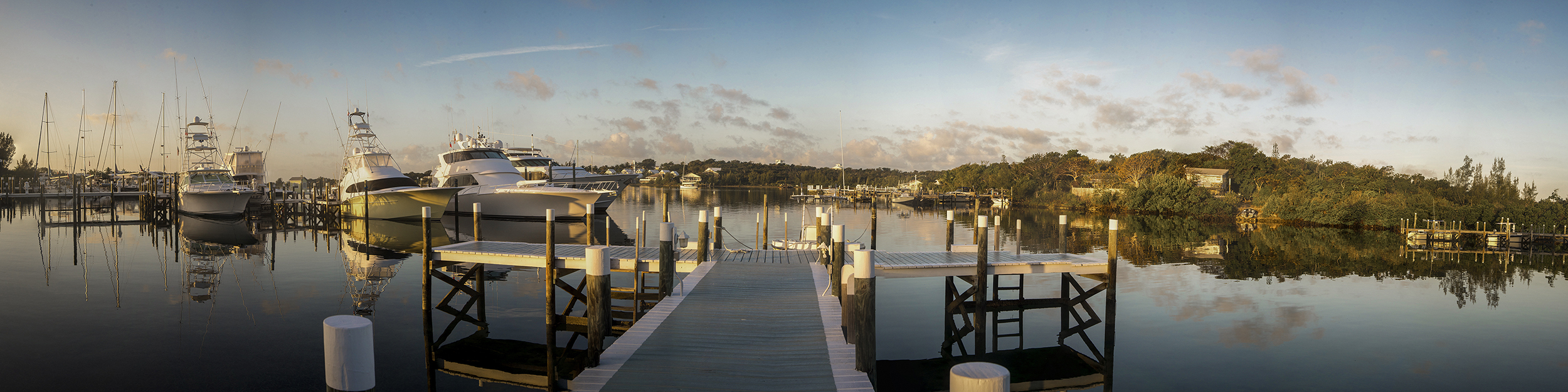
10 image handheld stitched panorama

Dock, Green Turtle Club.Green Turtle Cay, Bahamas

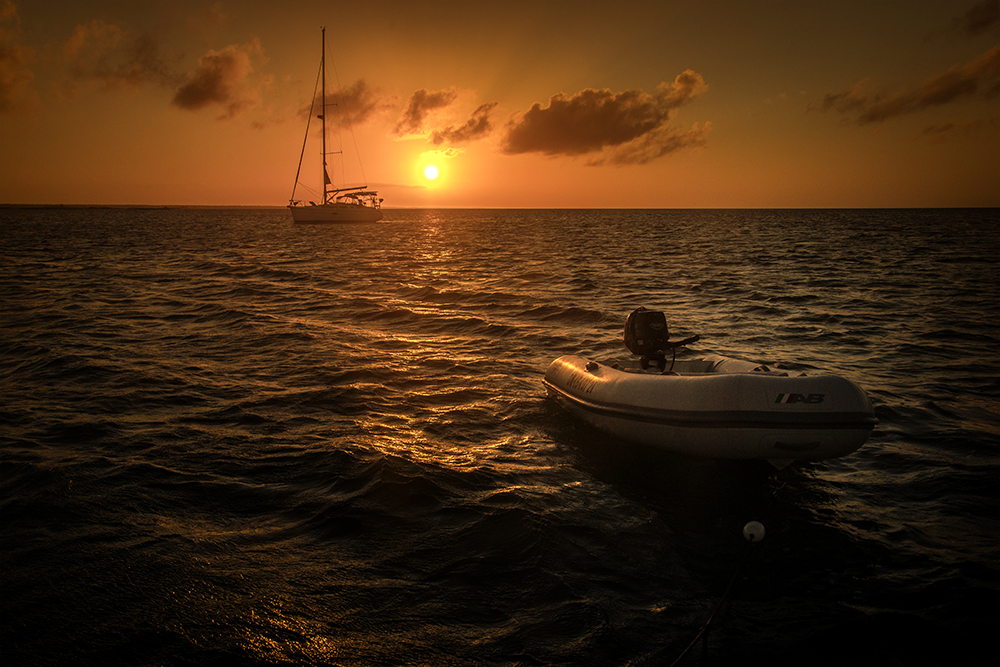
Taken from our friends’ sailboat, Overdraught, of our sailboat WIndsong II in the distance and our dinghy as the sun goes down on Crab Cay.

It’s a good idea always to do something relaxing prior to making an important decision in your life.
Paulo Coelho, The Pilgrimage

We made landfall in the Bahamas on Friday, March 6. For the story, check out our blog: Sailing on Windsong II.


Part 2 is delayed due to technical difficulties….it will be posted as soon as possible.
Sometimes in life serendipity takes over. And I’ve learned that it’s kind of crazy to ignore it.
When I left Canada in January, I had no plans to take a photography workshop , but when the opportunity presented itself, I hesitated a few minutes and then decided to jump at it.
I had heard of the Miksang school from Kim Manley Ort, and I have long admired her contemplative approach to photography, which has Miksang roots.
So when I read that there were a few places left at a workshop being held at Delray Beach, only a short distance away, it all seemed quite doable.
I was also familiar with the teachings of the instructors, Julie Dubose and Michael Wood, through their books, which I owned and had pored over, fascinated by their unique approach. I had also gone through the photographs in their books marvelling at how startlingly fresh they were.
What would I learn I wondered? I still didn’t know quite what to expect, but was quite excited about the prospect of devoting four full days to photography.
And while the workshop was definitely about photography, it was so much more than that. There was no instruction about how to take a “good” photograph or compose a “good” image.
In fact, the desire to take a good photograph was discussed as an obstacle to direct perception! Our ideas of what is good are very conditioned by how we have been taught and can really get in the way of really seeing what is right there in front of us.
So this workshop was really about seeing. Seeing without filters — without overlays of meaning and value, pleasure, dislike, or disinterest. Seeing afresh, seeing as if for the first time.
As Julie and Michael say: “These perceptions are vibrant and vivid, pulsating with life. The visual world is our feast, our playground. Seeing in this way brings us joy in being alive.”
Who wouldn’t want to see this way?
The camera comes in as a tool to express our visual perceptions exactly as we experience them.
Julie and Michael continue: “Through our images we can express our experience of seeing. Our photographs will carry within them our heart, our mind, the blood of our experience.”
Now that might seem easy, but it’s really incredibly difficult. I’ll talk about that in Part 2.
I loved the format of the workshop. We gathered in the morning to hear a short presentation and go through some experiential exercises designed to sharpen our perceptions. These were quite extraordinary in their effectiveness, yet so easy we learned we could do them any time we wanted to “wake up.”
Then we spent several hours working on our assignments and having lunch somewhere in the warm, colourful and visually delightful community of Delray Beach. Then back to the workshop to select the 10 images we wanted to share. The rest of the day was spent looking at each others’ work and hearing the instructors’ and other participants’ reactions.
The first two days we focused on colour, the next day on texture and the last day on pattern and light.
Stay tuned for more in Part 2…

While at the Miami Boat Show, I took the opportunity to shoot a few abstract pieces based around the always startling and unusual Miami architecture.
I could do this for days and never get tired. Unfortunately, I only had part of one!


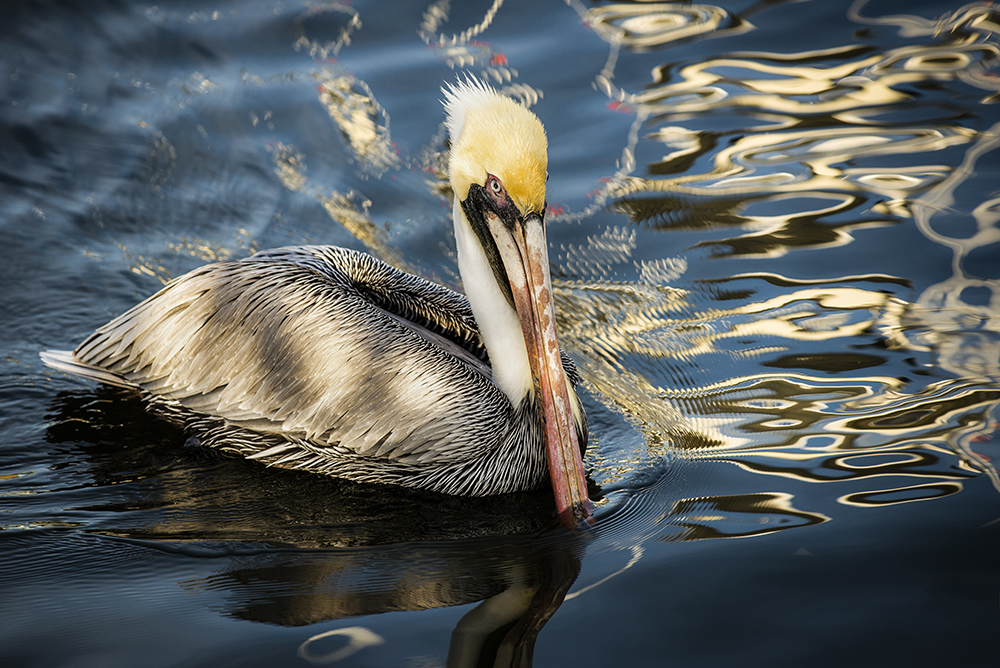
I wasn’t planning to shoot pelicans today, but there they were in the marina we are living in now on our sailboat, attracted by the man cleaning fish at the table designed for that purpose. The light was great so I grabbed my camera.
Groups of pelicans are called squadrons. They hover around waiting for tasty tidbits to be thrown at them. They swoop in and splash down, see what they can grab to eat, and then they fly away, splashing on take off too. They are so intriguing.
I learned a lot about these funny looking creatures last year and shared some of it in a previous post on pelicans. I took most of my shots last time from our dinghy and used my 24 to 85 mm lens.
This time I used my 70 to 200 mm lens to capture the pelicans which enabled me to get some decent close ups. I also used back button focus, which resulted in much better focus in most of my shots. And of course continuous shooting gave me a good selection of pelican poses. Here are some of my favourite captures.
By the way, I started a new blog about living on our sailboat, Windsong II. Pop over if you are interested.
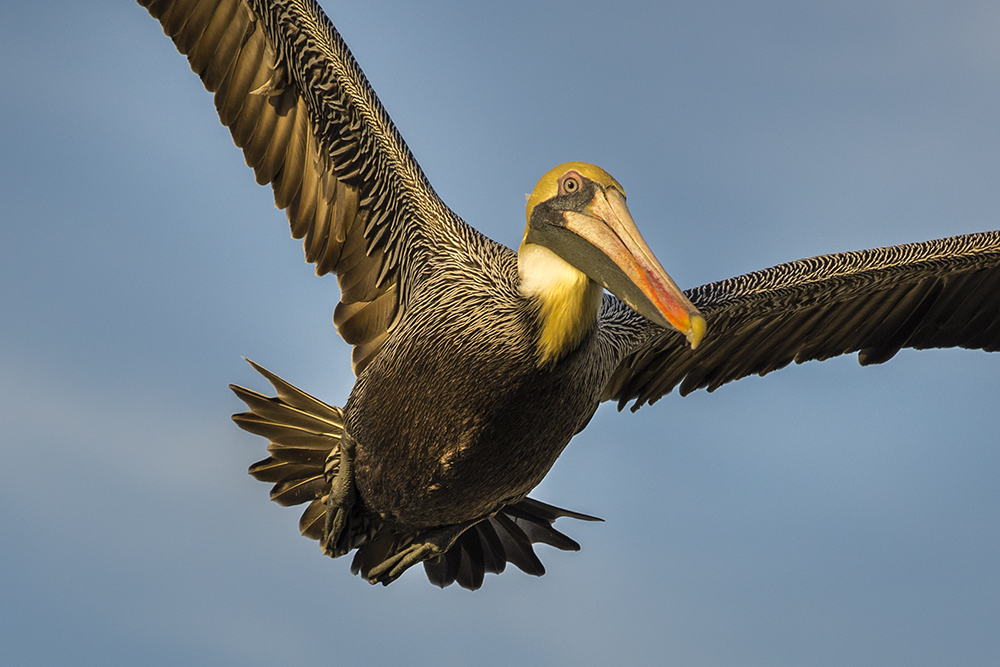
Here’s looking at you, kid.
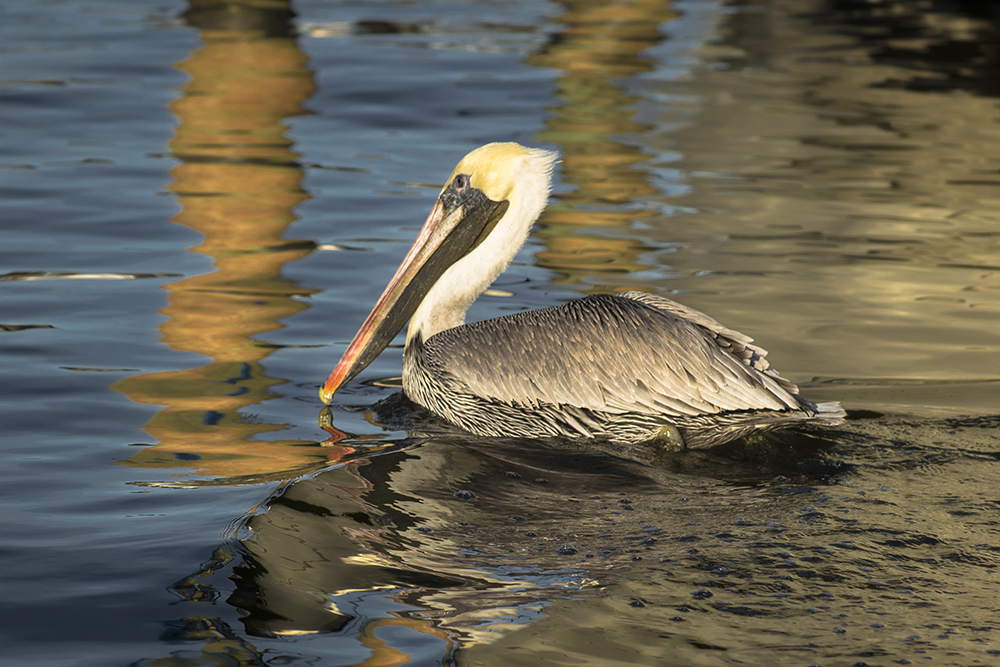
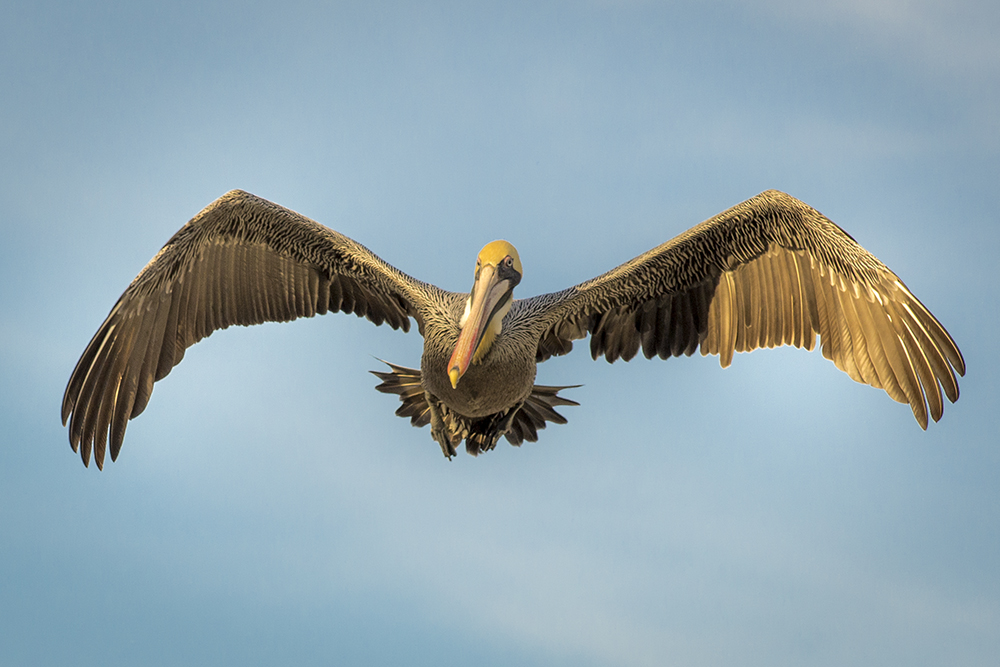
The pelican wingspan is about 6 to 7 feet.


 Sherrygaley.com