


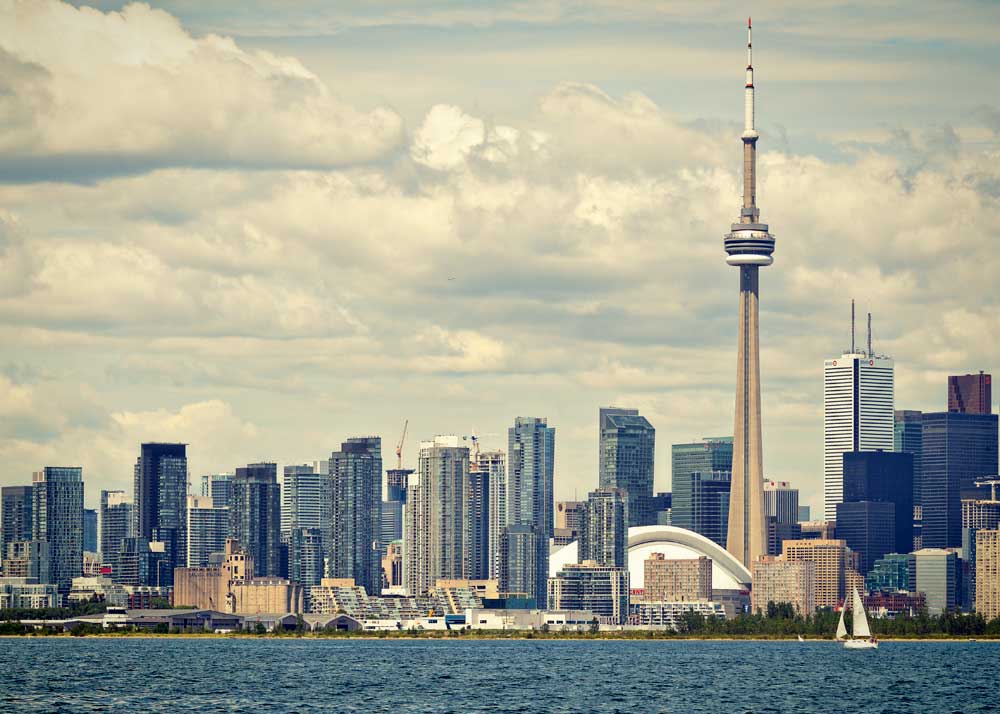
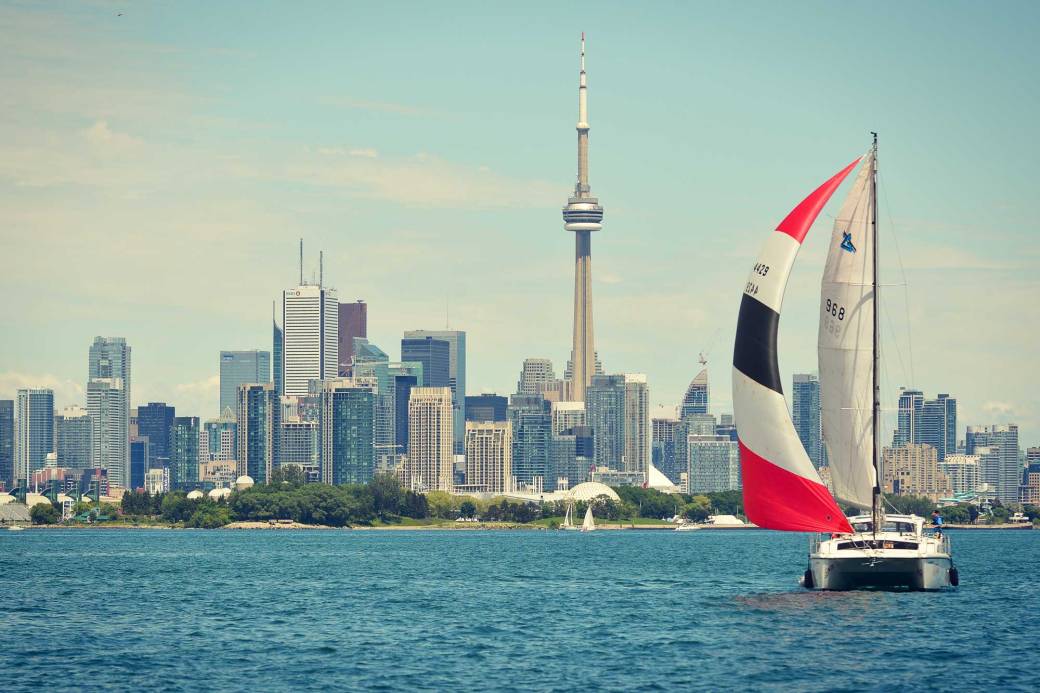
A great way to celebrate the Canada Day weekend is sailing on Lake Ontario near Toronto.
Hope all my Canadian friends and family had an enjoyable and safe weekend!
A great way to celebrate the Canada Day weekend is sailing on Lake Ontario near Toronto.
Hope all my Canadian friends and family had an enjoyable and safe weekend!


Thirteen tall ships were in Brockville, Ontario, last weekend as part of the 1812 Tour.
We had the chance to go out in the St. Lawrence River on the Empire Sandy, the largest of the tall ships there — and I believe the largest in Canada. (It’s 203 feet long.)
It can be hard to convey the “tallness” of these ships in a photograph, which have masts over 100 feet.
I wanted to get a shot that told a story of what we experienced that beautiful June day.
Luckily, it was breezy, so we had a chance to see the crew hoist and lower the sails. Hard work, that is!
I managed to get myself positioned below one of the crew members as he was straddling the boom, in an attempt to flake the sail (put it down). I saw him look up, and clicked the shutter at the right time. The lines on each side of the mast are called “ratlines” and they are what you climb to the top of the mast if you needed to.
Here are a few other images from the day….


Shared with Weekly Photo Challenge, June 21.

No matter how far a person can go, the horizon is still way beyond you.
Zora Neale Hurston
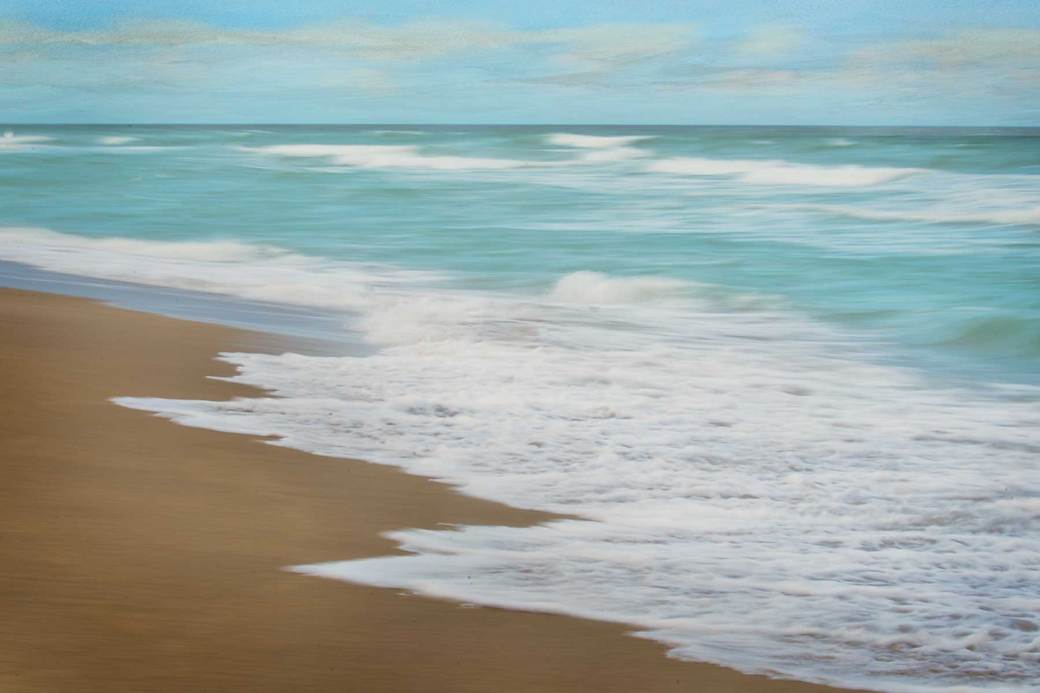
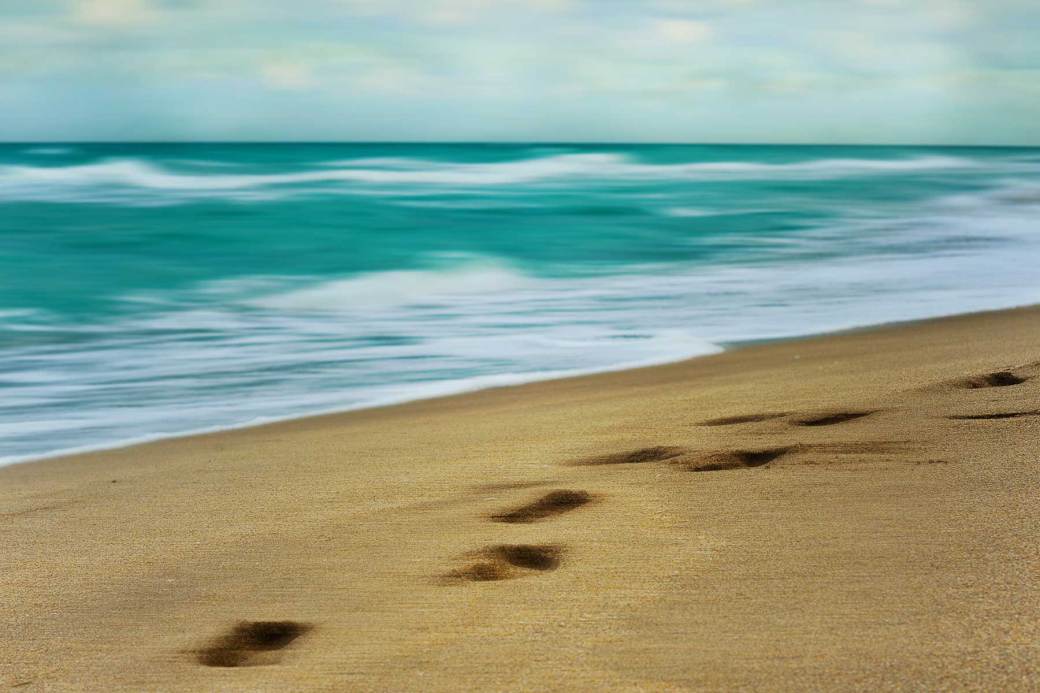
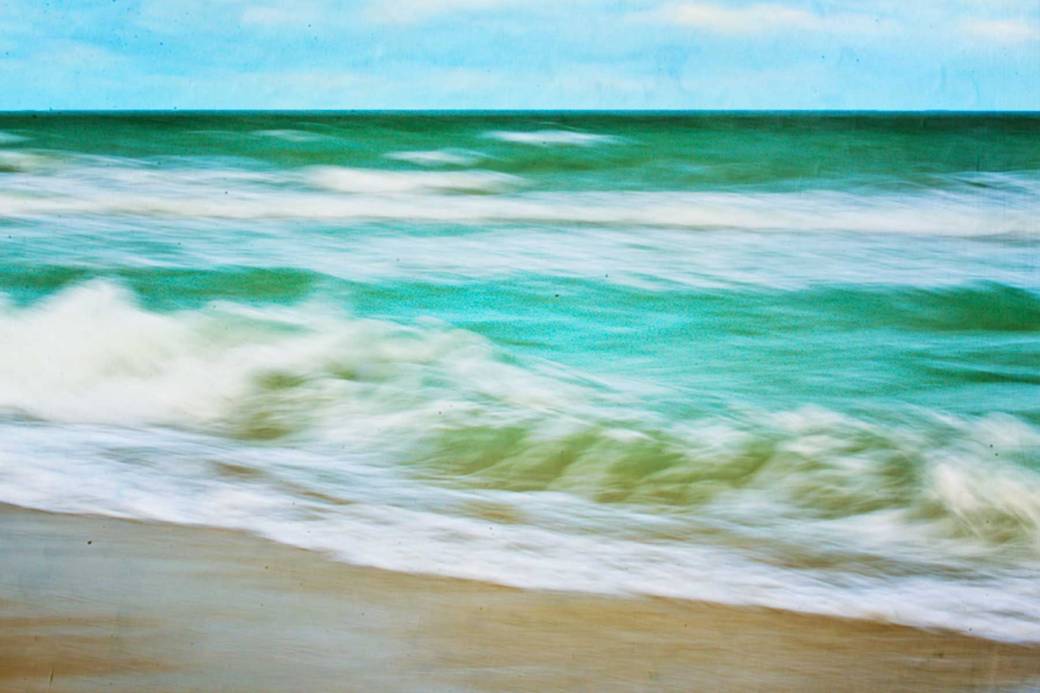
There’s little that captures the feeling of “beyond” better for me than the horizon at the seashore. It calls us to reflect on what lies further than our eyes can see.
I am always awed by the wild power of waves and lured by the immensity of sea vistas.
These images were made at Hutchinson Island, which is one the many barrier islands that shields Florida’s east coast from the Atlantic Ocean.
I experimented with some longer exposures and a bit of intentional camera movement to create a soft, dreamy, blurry, impressionistic effect.
For me, the muted bluey-green of sky and sea, the white of the foamy surf and the soft brown of sand are among the most restorative colours to be surrounded by — at once soothing, exhilarating and contemplative. How does being at the seashore make you feel?
Linking to Kat Sloma’s Exploring with a camera.


Roosevelt Bridge, Stuart, Florida
Illuminated in your infinite peace,
a billion stars go spinning through the night,
blazing high above your head.
But in you is the presence that
will be, when all the stars are dead.
Rainer Maria Rilke

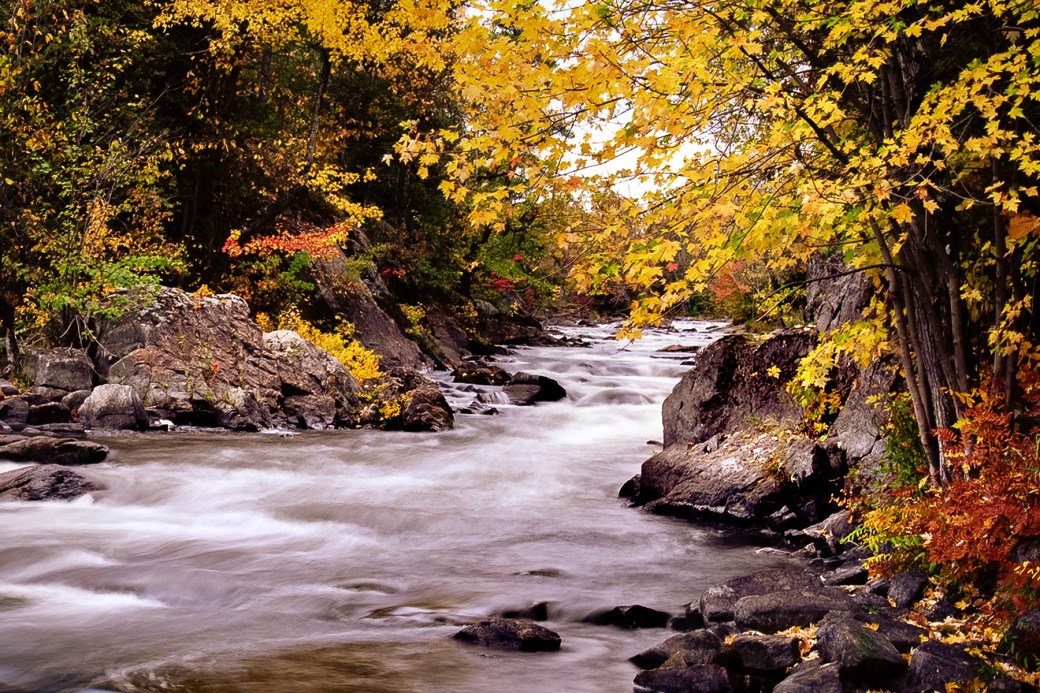
I sat there and forgot and forgot, until what remained was the river that went by and I who watched….Eventually the watcher joined the river, and there was only one of us. I believe it was the river.
Norman Maclean, author of A River Runs Through It
A river runs through our small town and our part of the country. It’s called the Mississippi, which makes some visiting Americans laugh.
This Mississippi may not be mighty, but it’s ours. It is 200 kilometres long with a watershed of almost 5,000 square kilometres. From its headwaters to where it joins the Ottawa River near Fitzroy Harbour the river drops 323 metres in elevation. It runs through the small towns of Lanark, Carleton Place, Almonte, Pakenham and Galetta.
No one really knows the origin of the river’s name. Some think the current spelling may be derived from that of the American Mississippi River, which means “great water.” But it is probably a corruption of a different native name, because this water is definitely not great, especially as compared to the Ottawa River, into which it flows.
Instead, the name may originate from “Mazinaa[bikinigan]-ziibi“, Algonquian for ‘[painted] image river’, referring to the pictographs found on Mazinaw Lake (its headwaters), though this is by no means proven.
I’ve written before about how I love water. I also love quotes about water. And the Maclean quote above is one that gets me every time I read it. It speaks to that indescribable sense of merging that happens when you deeply and silently observe the natural environment around you.
Sharing with Texture Tuesdays.

Water is fluid, soft, and yielding. But water will wear away rock, which is rigid and cannot yield. As a rule, whatever is fluid, soft, and yielding will overcome whatever is rigid and hard. This is another paradox: what is soft is strong.
Lao Tzu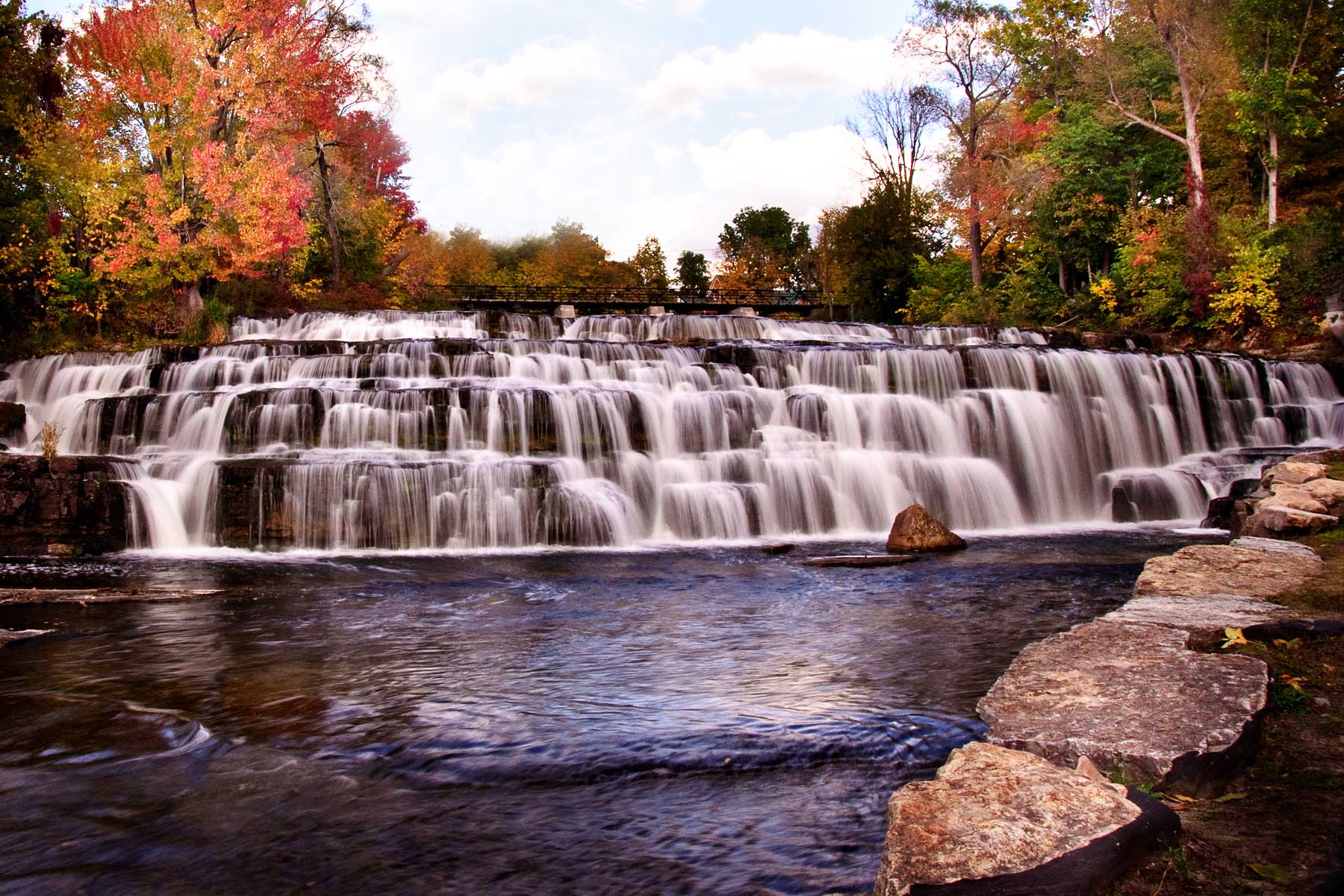
This month, I’m sharing this photo with Kat Sloma’s Photo Heart Connection. See why below.
I love water. I love living on it (literally). I love living near it. I love sitting by it and watching as it ebbs and flows…
I was born on an island, moved to another island as a child, grew to adulthood on island, lived near Lake Ontario when I attended university and beside a river in Toronto for a time as a young adult. For 17 years I lived with a canal at one end of my street and a river at the other — with all the bridges we had to cross regularly, it felt a bit like living on an island.
None of this was planned, and I only realized it recently, in fact. When we get to a certain age, we begin to see the patterns in our lives and perhaps start to understand them a bit.
These days I spend a good part of the year on a sailboat in southern waters. The rest of the time I don’t live quite as close to water as I used to, but we are fortunate to have a river running through our town and lots of waterfalls. Every time I go to our main street I stop to visit the waterfalls. These falls also provide the green power for our community.
It’s a challenge to photograph waterfalls, as you probably know if you’ve ever tried. Too short an exposure and the water freezes in a manner not characteristic of itself. The falls don’t look the way you experienced them. Longer exposures are the key to the soft, creaminess that appeals to so many of us. But long exposures can let too much light in, ruining the picture. Enter the Neutral Density Filter. It allows you to reduce the amount of light that can pass through the lens. So after adding a neutral density filter, you can use a slower shutter speed. In these photos I used an aperture of F16 and a shutter speed between 1/2 second to a second at 200 to 360 ISO.
I certainly need much more practice making photographs of waterfalls and rivers and lakes and oceans, but each time I learn a little more and am rewarded by the time spent near water.
 I’d love to live like a river flows, carried by the surprise of its own unfolding.
John O’Donohue
 Water does not resist. Water flows. When you plunge your hand into it, all you feel is a caress. Water is not a solid wall, it will not stop you. But water always goes where it wants to go, and nothing in the end can stand against it. Water is patient. Dripping water wears away a stone. Remember that, my child. Remember you are half water. If you can’t go through an obstacle, go around it. Water does.
Margaret Atwood, The Penelopiad

–Thanks to the Ontario Culinary Tourism Daily for mentioning this article in their August 23, 2012 edition.
As sailors, we’ve spent many a happy day sailing out of Waupoos Marina on beautiful Lake Ontario.
Waupoos, near Picton, is in Prince Edward County, which has long been known for its history, scenic shorelines, unique island character, and fresh local produce.
Today, the county is an up-and-coming Ontario wine region boasting scads of wineries and Canada’s newest viticultural designation.
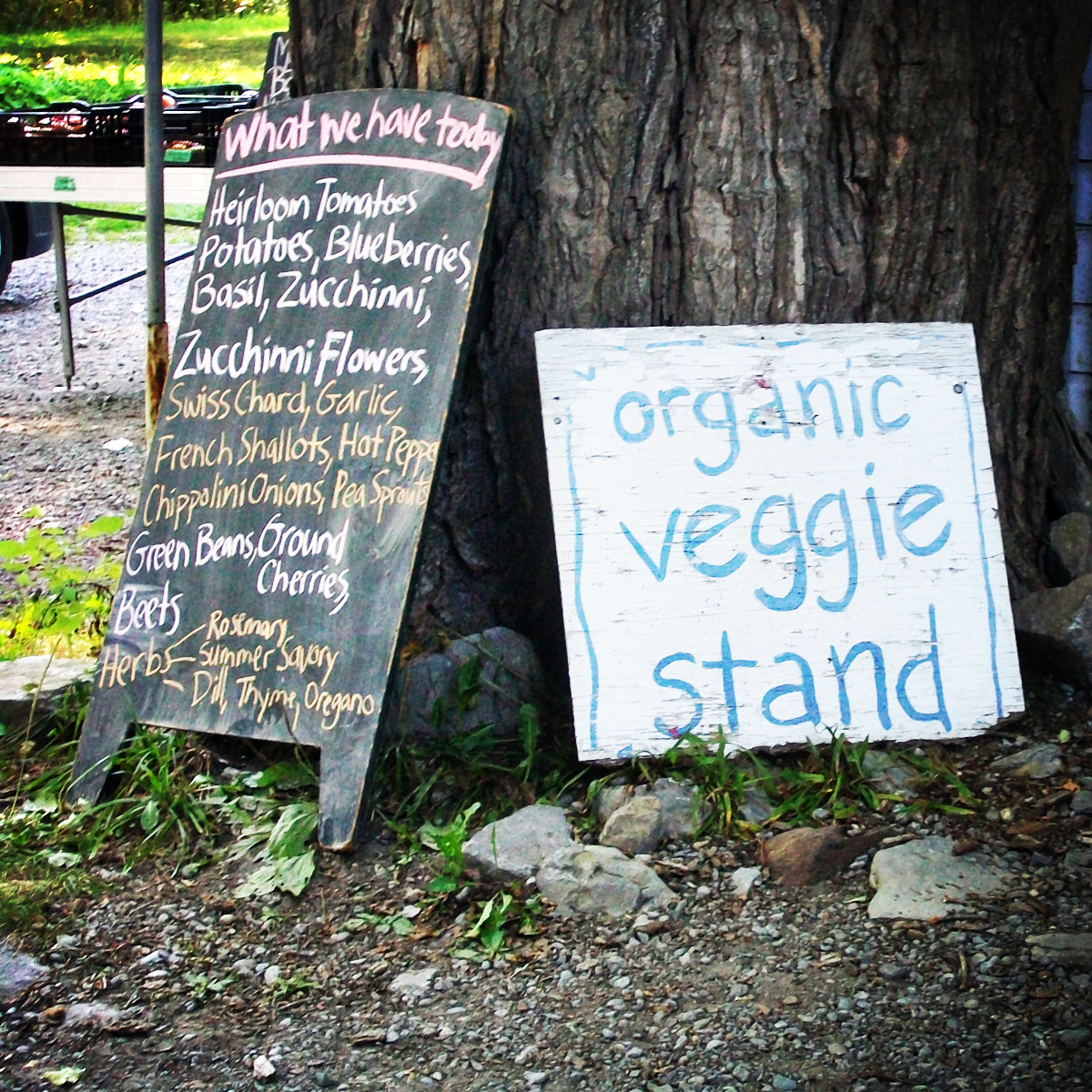
The area still attracts families with its friendly rural character — where else can you buy veggies on the honour system? — and 800 kilometres of beaches, but now it’s also a premier food and wine destination.
In fact, the Globe and Mail has called it “the Gastronomic Capital of Ontario.” World class chefs and award-winning wineries as well as gorgeous views make for a sensory treat second to none.
We try to go at least once a year to check out the new wineries and sample the county’s delights. It is also a seriously photogenic region! I was charmed and delighted by so many things….
We indulged ourselves, tasting wines and spirits at Karlo Estates, 66 Gilead DIstillery, Lacey, Lighthall Vineyards, Exultet, By Chadsey’s Cairns and eating at Portabella, Milford Bistro and Blumen. We had to drop by Vicki’s Veggies as well for organic produce. There’s nothing like it!
In the past we have enjoyed the Merrill Inn, the Carriage House, Huff Estates, Long Dog, Sandbanks, Closson Chase, Rosehallrun and the County Cider Company.
Truly, it’s all good.

Karlo Estates grapes on the vine. These are a new varietal you probably haven’t seen called Frontenac Gris. Karlo uses these for their rosé. They can withstand temperatures down to -40 C.

The barn is old; the winery is new and Exultet is already winning awards in Canada!
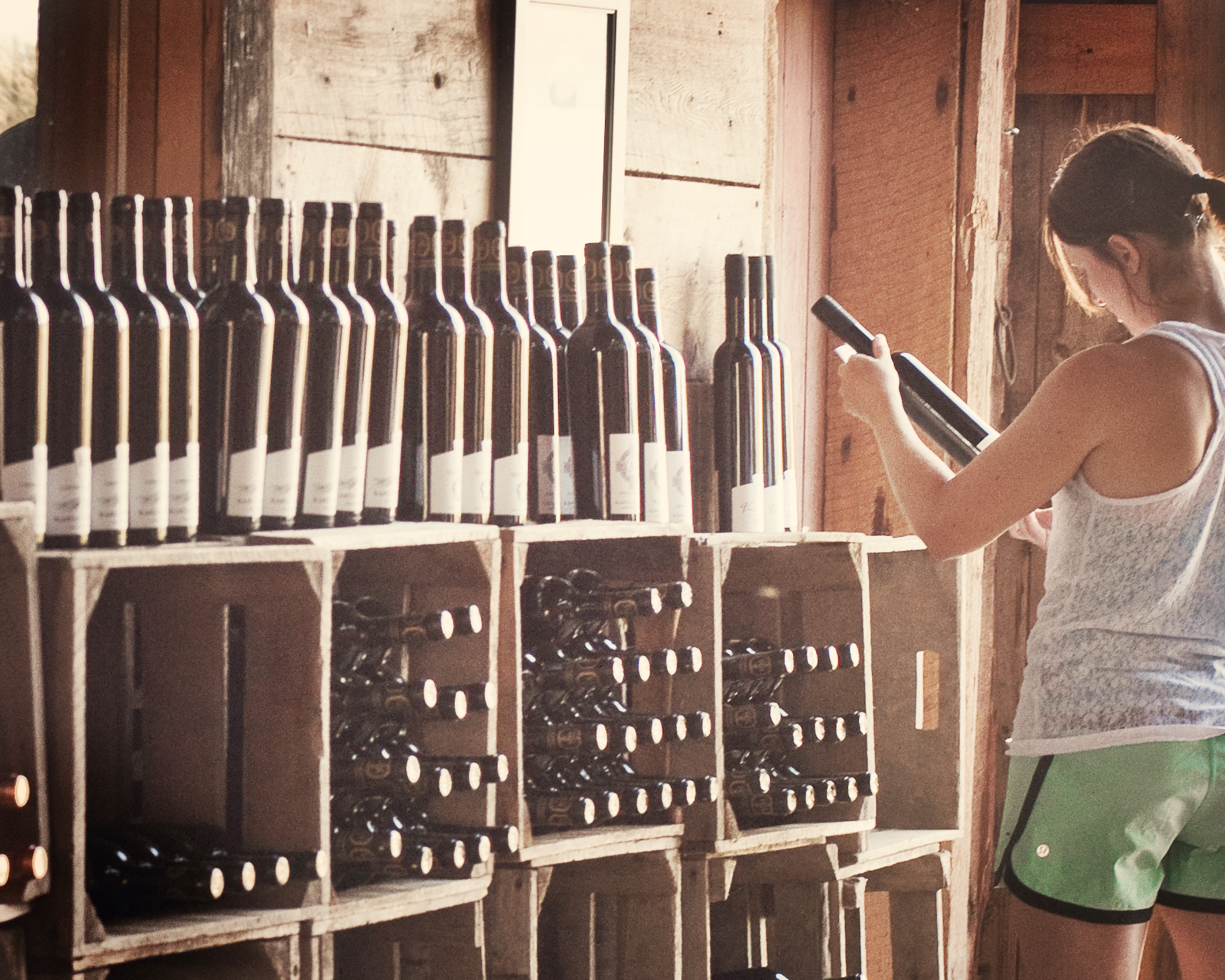

Liquid sunshine, bottled.
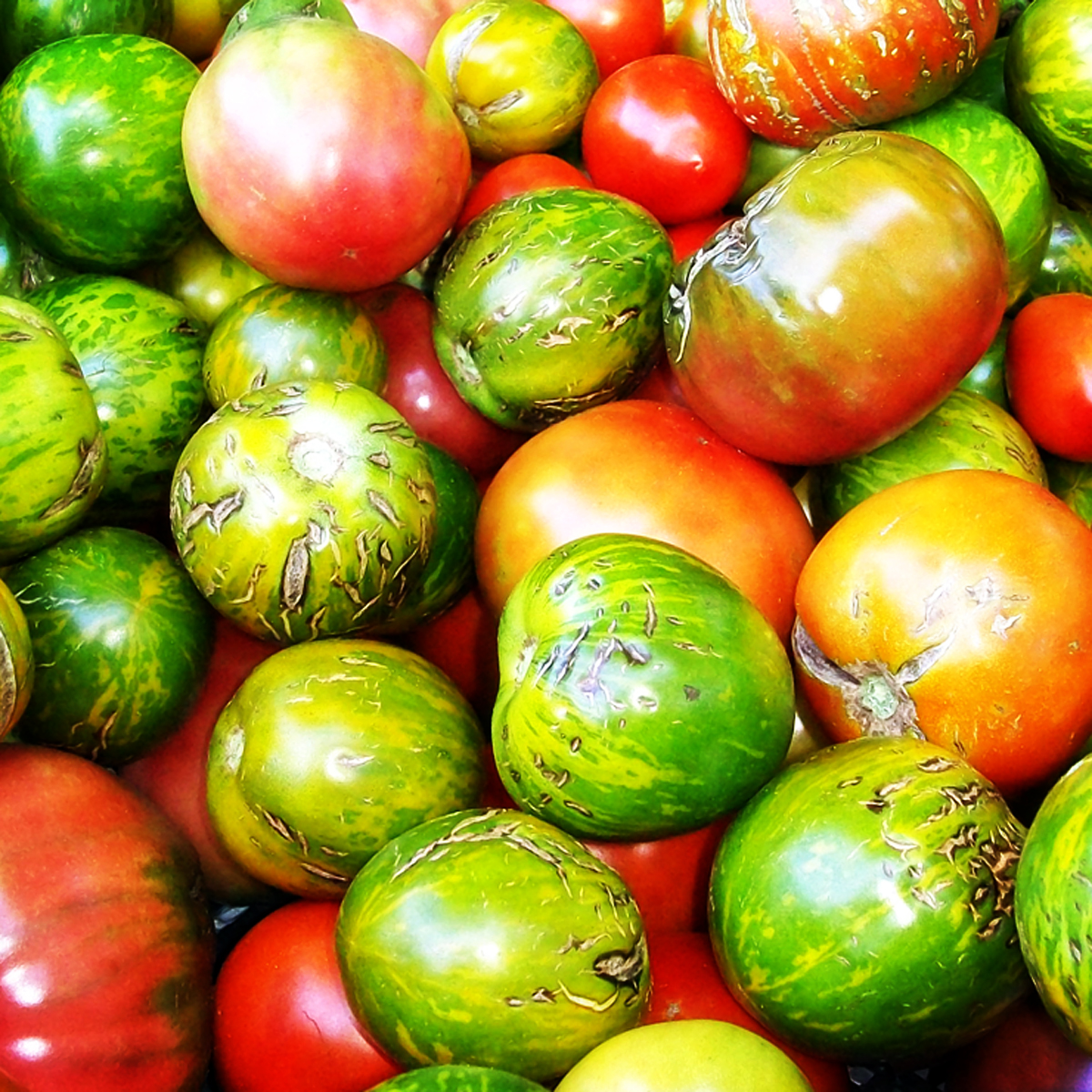
Heirloom tomatoes at Vicki’s Veggies.

Vicki’s heirloom tomatoes in a salad at the Milford Bistro matched with wine from Exultet.

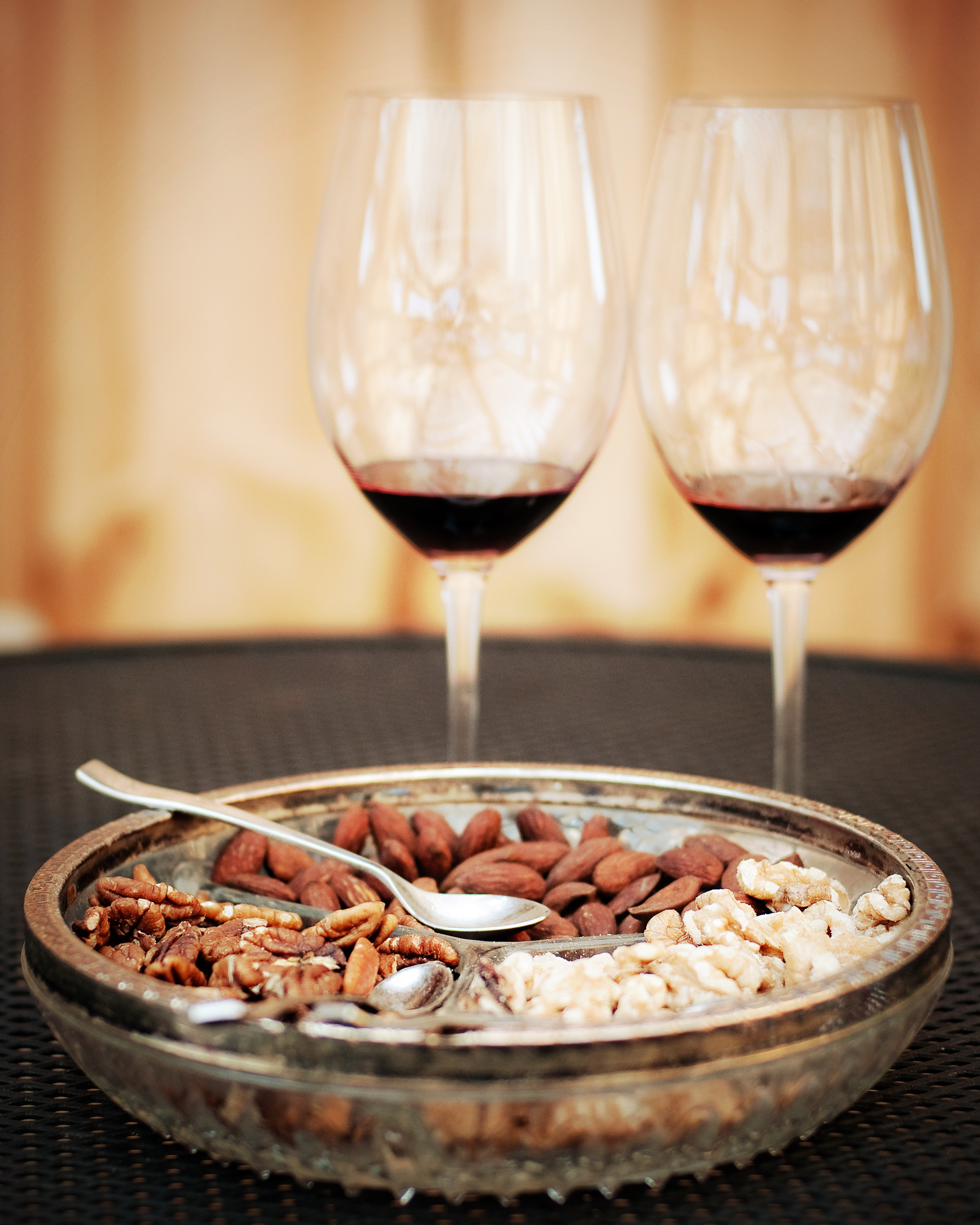

Lavender adds to the ambience at Closson Chase.
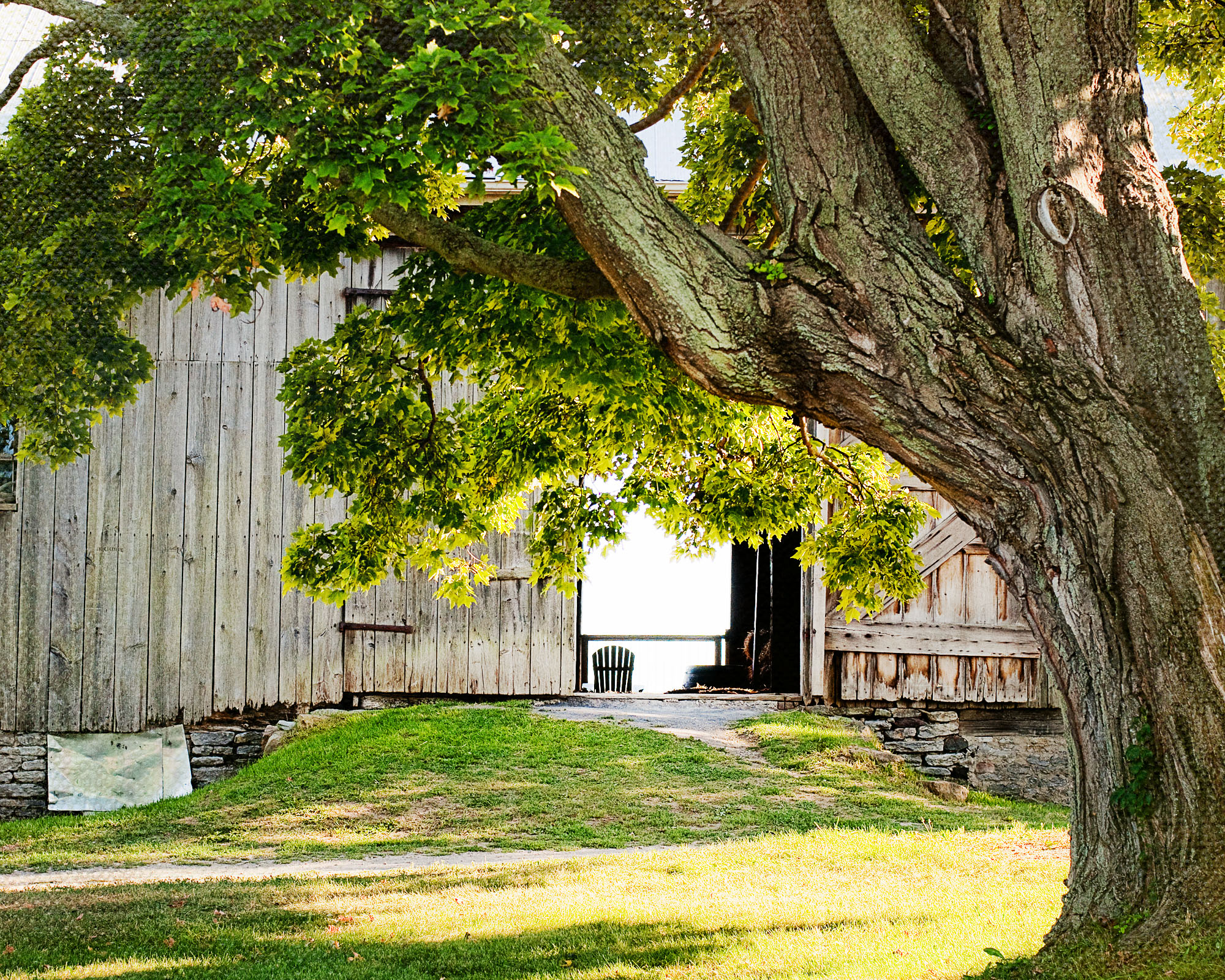
A huge old tree stands guard By Chadsey’s Cairns.
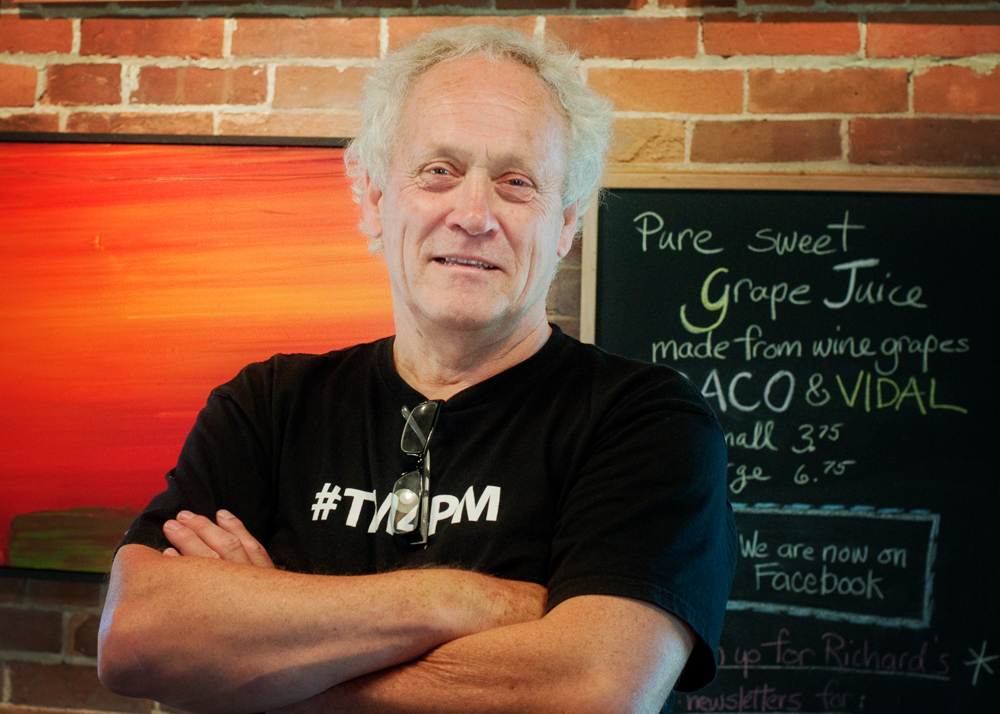
Richard Johnston, the owner of By Chadsey’s Cairns, was there to introduce his wines and share his passion for wine-making.

My mother had a grand old time time swinging on an old-fashioned swing at 66 Gilead Distillery. She hadn’t been on one in a long time. She’s a young 84, isn’t she?

I haven’t been able to post for a while because the Internet speed at the marina has slowed down (!), so I’m taking advantage of being at Leo’s house to put up a quick one.
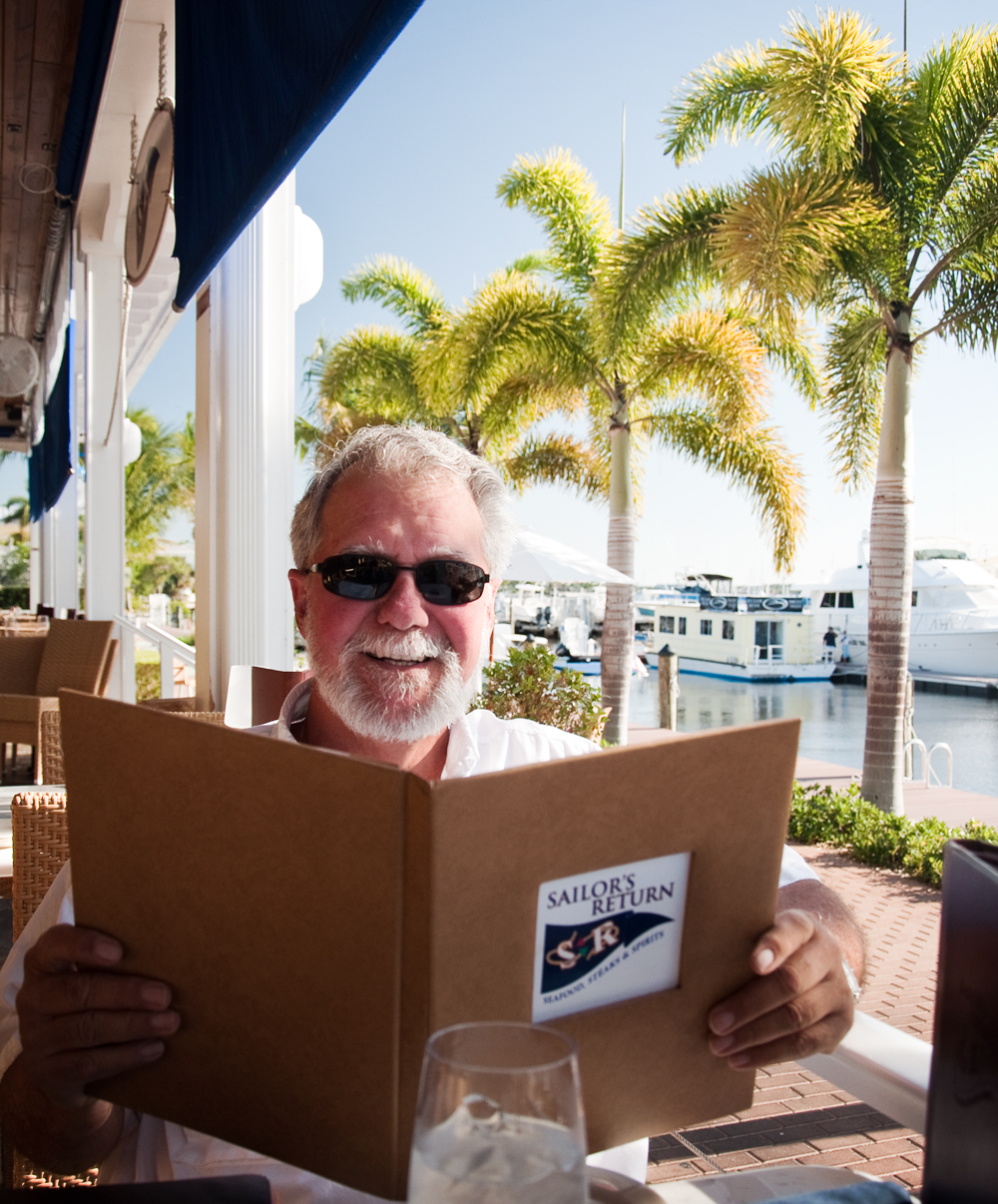
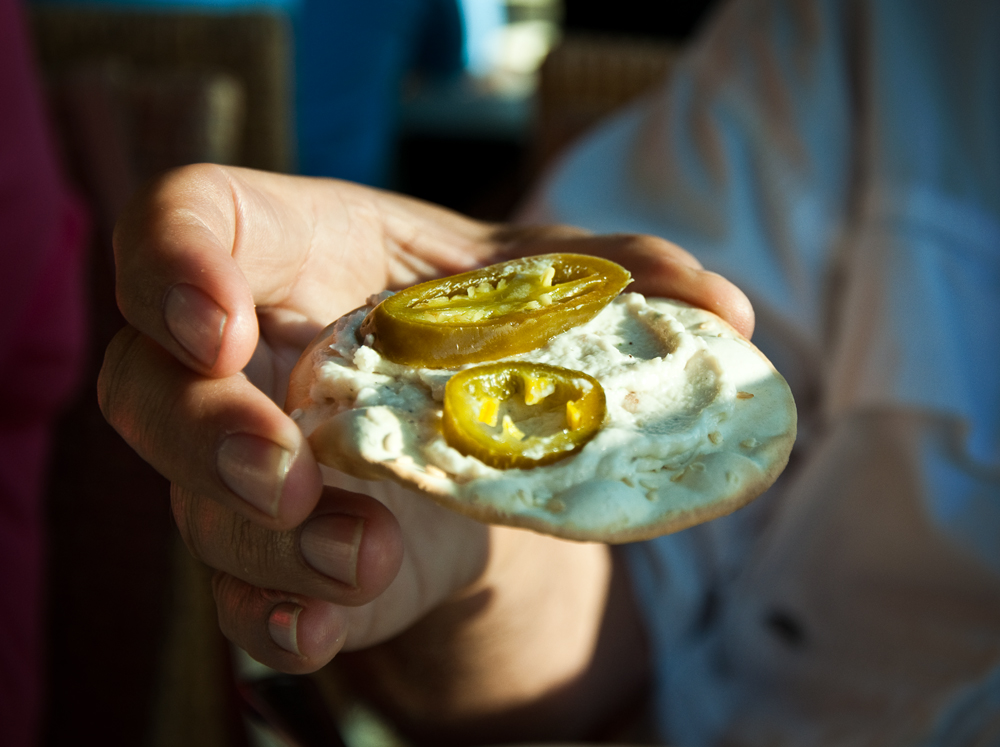
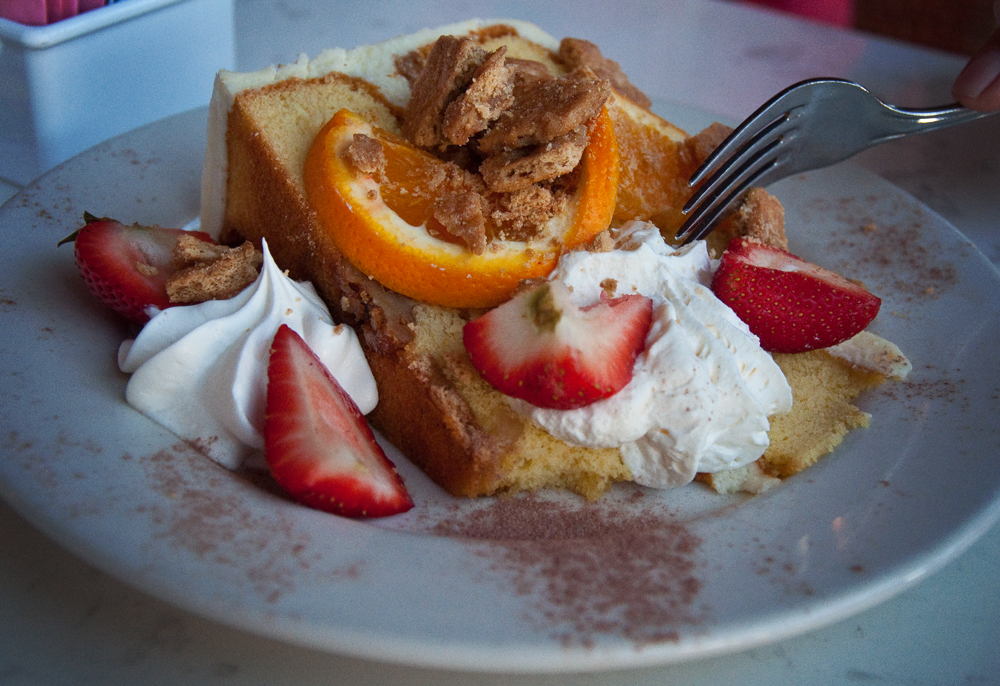
We celebrated Bob’s birthday last night with Leo and Joan at the Sailor’s Return restaurant, which is right next to the Sunset Bay marina. We ate and drank excellent food and watched the sun set by the boats. A great time was had by all!
We’re planning to haul her out and put her on the hard next week (how’s that for nautical jargon?). We’ve pretty much decided on the boatyard we’ll be leaving her in. It’s very secure and not too far from where we are.
There are just a few (!) things to be done before and after that. We have to take the sails off the boat, change the oil in the two diesel engines, take all the canvas off the boat, wipe the inside of the boat with vinegar, put bay leaves in the cabinets…etc etc.
Then we can come home!

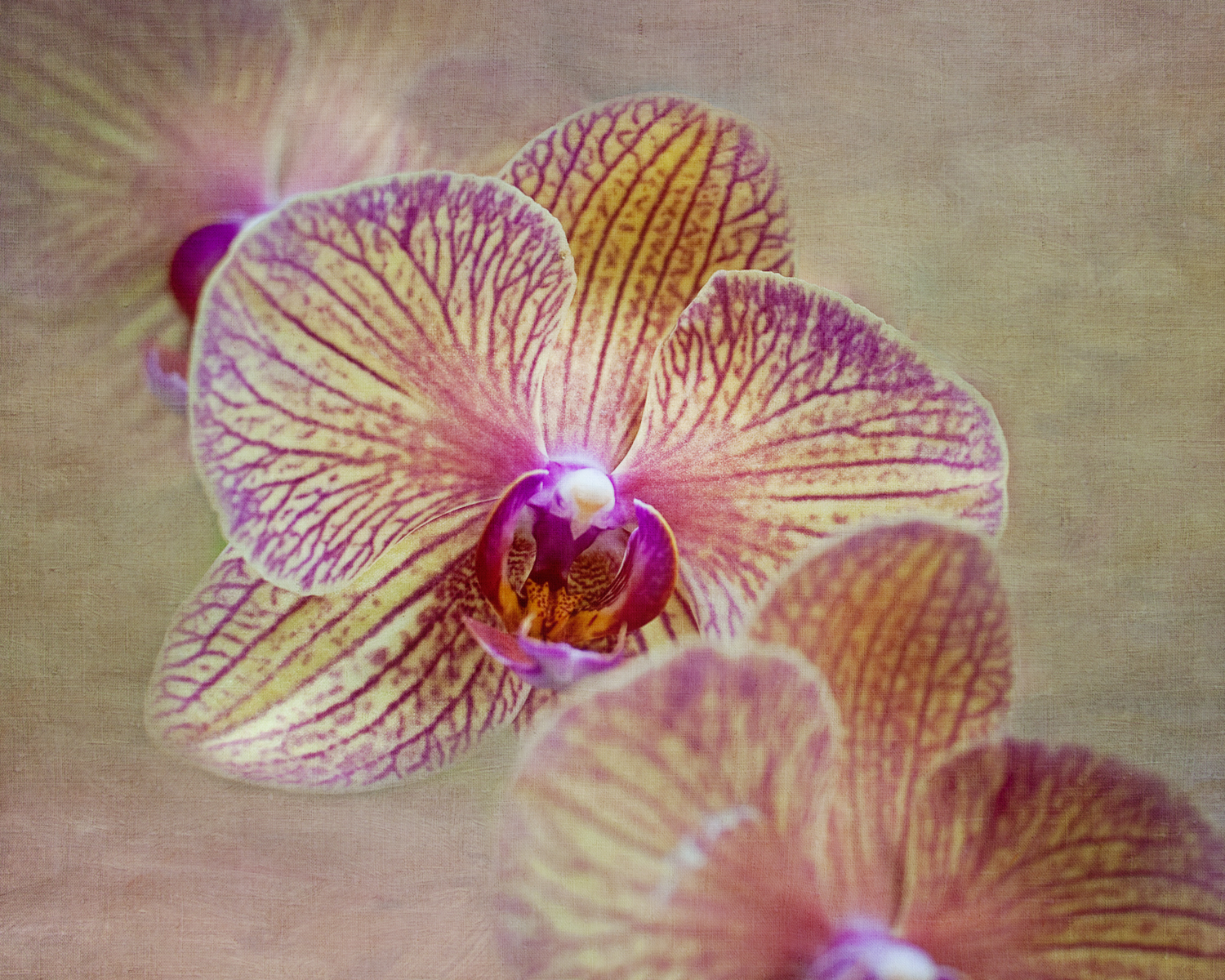
Yesterday, I visited Villa Vizcaya, which was built in 1916 as the winter home of James Deering, co-founder of International Harvester. Sometimes called the “Hearst Castle of the East,” this magnificent villa brings you back to the days of the Great Gatsby. I was particularly interested to see the ten acres of gardens that surround the house and the orchidarium.
Here are a few photos of the grounds of Villa Vizcaya. I think I counted six brides having their wedding photos taken on Saturday.

Today, our sailboat rests comfortably in a slip in Dinner Key Marina, right behind Miami City Hall, which was the old Pan American Airport.

Our slip, circled. Dinner Key, one of the biggest wet slip facilities in the U.S. has 582 slips, only a few more than the Nepean Sailing Club in Ottawa!
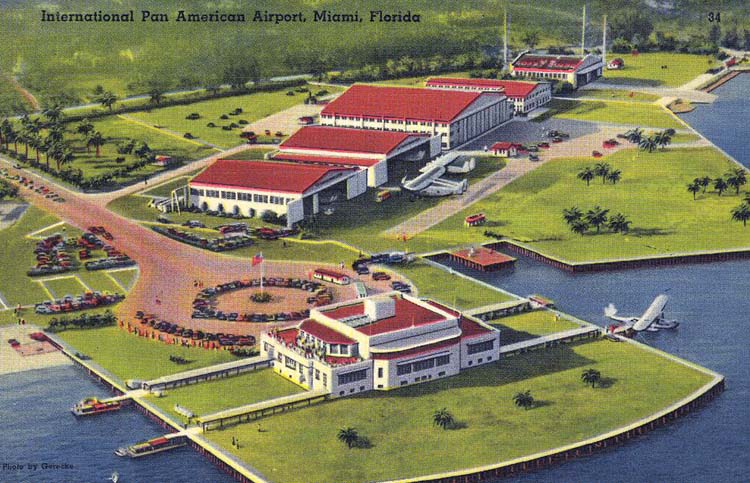
In 1930, Pan Am started a flying boat service to Latin America. The U.S. Government dredged the first channel in history especially for aircraft. Over 100,000 visitors a month came to see the giant flying clippers.
Dinner Key got its name because Pan Am travelers enjoyed a picnic here before setting off for the Bahamas and Cuba. Flights cost $35 in those days.
This became one of the world’s largest airports and the main hub for air traffic between North and South America.

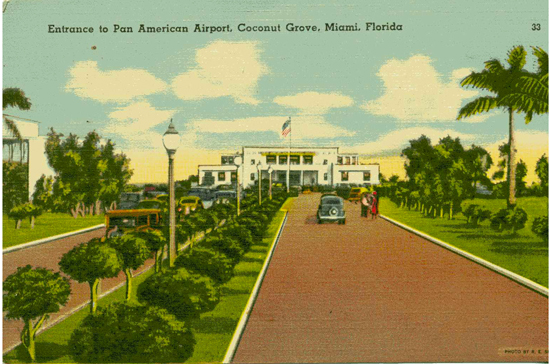
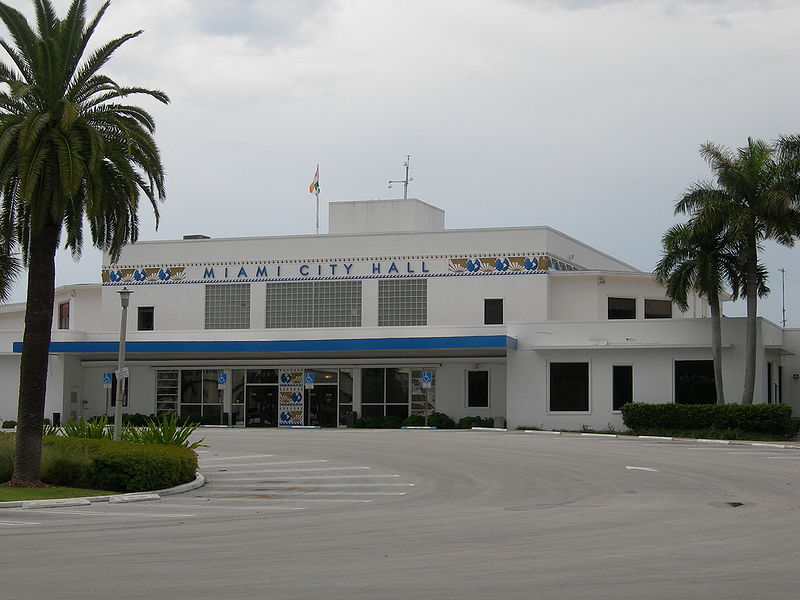
The City Hall has been preserved as an art deco showpiece.
After the technological advances of the Second World War and the construction of suitable airports in South America made seaplanes largely obsolete, Pan Am transferred its operations back to Miami International Airport.
One of Pan Am’s hangars was used for many years as an exhibition hall and auditorium —the Dinner Key Auditorium. It was recently renamed the Coconut Grove Convention Center. (This was the site of the March 1, 1969 incident in which Jim Morrison of the Doors was arrested for lewd behaviour.)
Today, Dinner Key is used primarily as a marina. Three of Pan Am’s original four hangars remain in use for boat storage.

 Sherrygaley.com