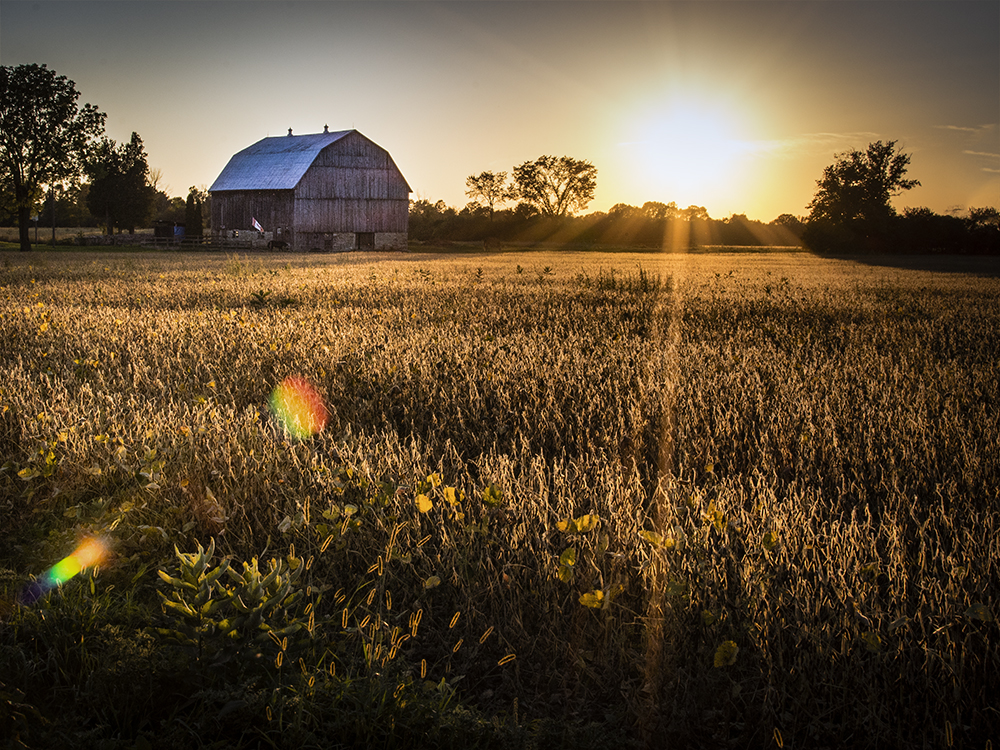
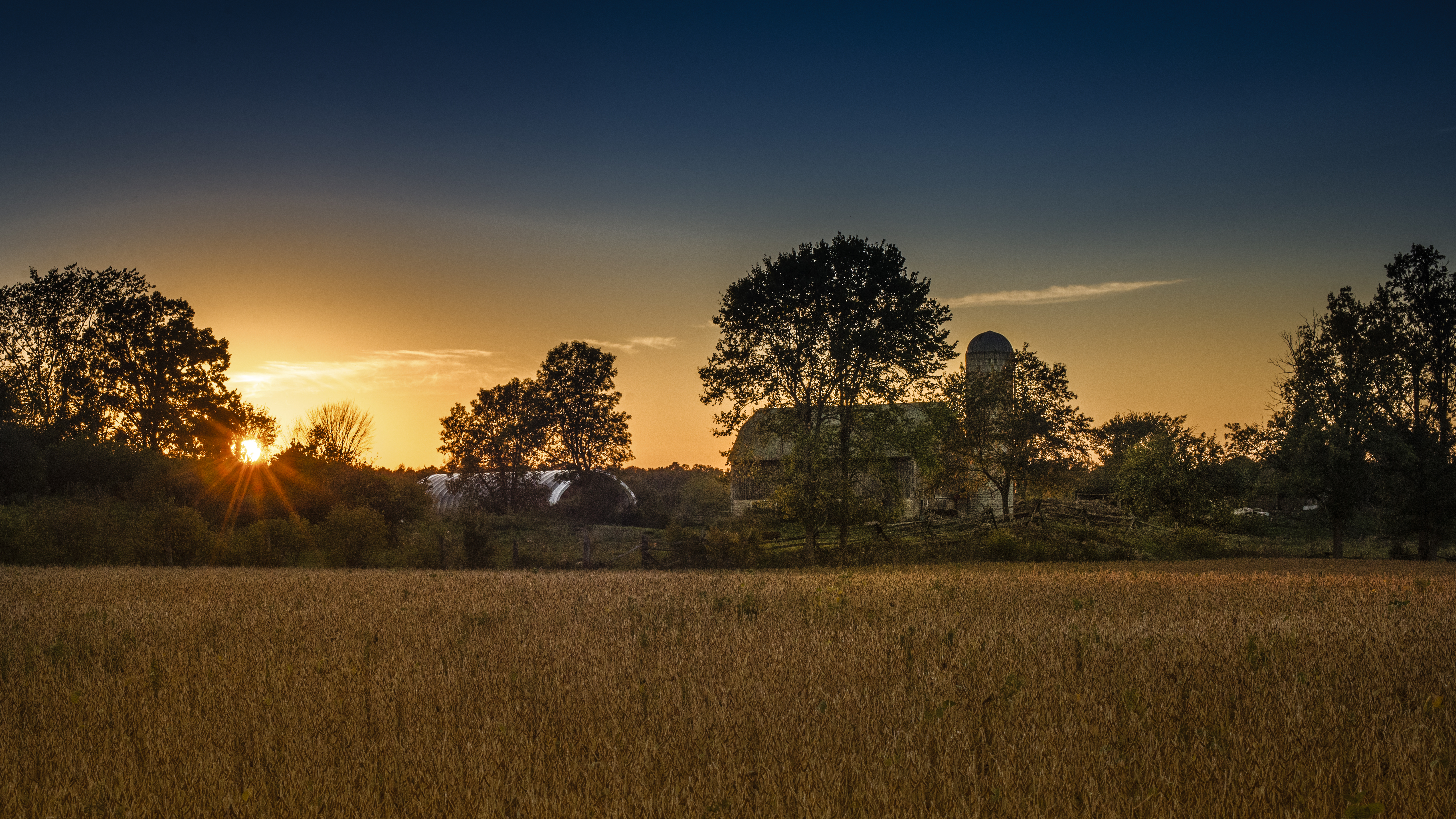
The most beautiful moments always seemed to accelerate and slip beyond one’s grasp just when you want to hold onto them for as long as possible.
E.A. Bucchianeri
For other images taken around Lanark County, click here.
For other images taken around Lanark County, click here.


Yellowknife, Northwest Territories
Walking through Old Town in Yellowknife, you can’t help but be stopped by this striking large-scale public art painted on a very large rock face.
This is McAvoy Rock and the art and sculpture are part of a cross-cultural project initiated by the Federation Franco-Tenoise.
The project began in 1999 with the creation of a marble sculpture by Yellowknife artist Sonny MacDonald, Dene carver John Sabourin, Eli Nasogaluak from Tuktoyaktuk and Armand Vaillancourt from Montreal.
This marble sculpture is on permanent exhibit in the Great Hall of the Legislative Assembly. A bronze copy of the sculpture is pictured here at the foot of McAvoy Rock.
The first phase also saw the creation of 1,500 multi-coloured symbols painted directly onto the facade of the rock and the installation of a teepee at the summit.
It symbolizes hope for better understanding and cooperation between different peoples. Something there can never be too much of…


Frame Lake, Yellowknife, Northwest Territories
Take this however you want, but, really, who can argue with it?
Often nature is just what the doctor ordered…
This short spoof about prescription-strength nature has been going around and if you haven’t seen it yet, why not take a moment to watch this!
It is sure to make you smile…


Sandhill cranes nest in the wetlands of the Northwest Territories before beginning their trek south for the winter.
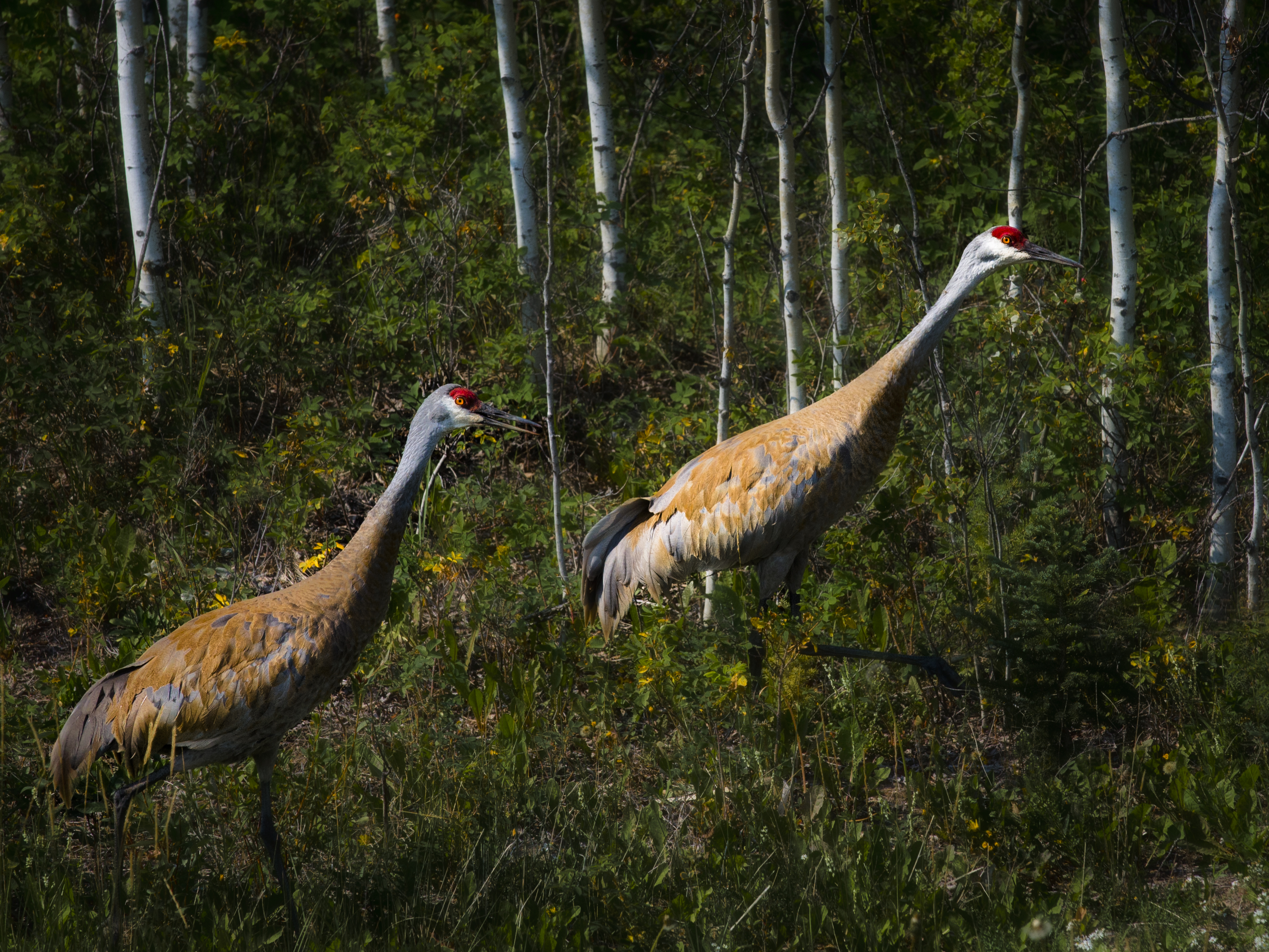
Mated pairs of sandhill cranes stay together year round, and migrate south as a group with their offspring. Both males and females incubate the eggs. Their calls are unique — they give loud, rattling bugle calls, each lasting a couple of seconds and often strung together — and can be heard up to 2.5 miles away.
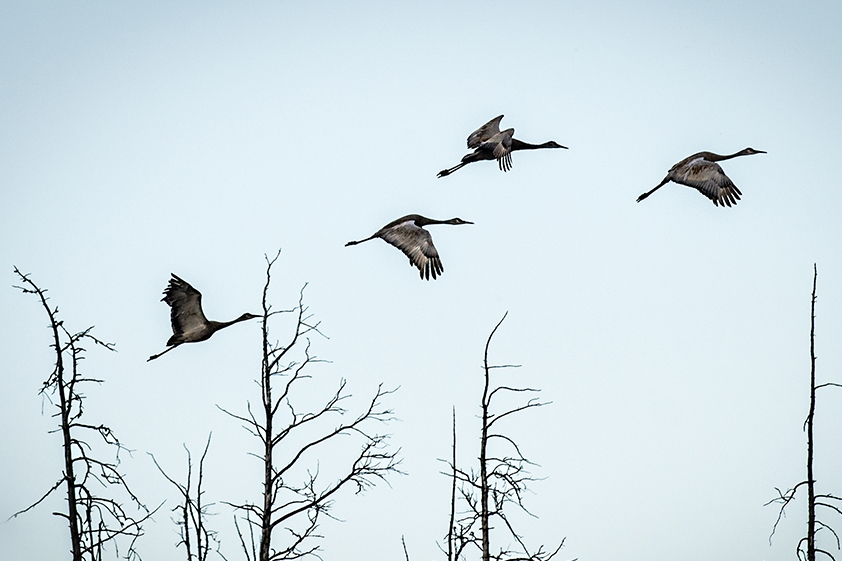
These cranes have a large wingspan, typically 1.65 to 2.29 m (5 ft 5 in to 7 ft 6 in), which make them very skilled soaring birds, similar in style to hawks and eagles.
The language of cranes
we once were told
is the wind. The wind
is their method,
their current, the translated story
of life they write across the sky…
Images are from my August trip to Canada’s North, (above the 60th parallel) — the spectacular Northwest Territories…


Sunset over the Hay River, Northwest Territories
Virginia Woolf
From my August trip to Canada’s North, (above the 60th parallel), the spectacular Northwest Territories…

Alexandra Falls, Northwest Territories, Canada
George Santayana
From my August trip to Canada’s North, (above the 60th parallel), the spectacularNorthwest Territories…

I don’t think there’s anything on this planet that more trumpets life that the sunflower. For me that’s because of the reason behind its name. Not because it looks like the sun but because it follows the sun. During the course of the day, the head tracks the journey of the sun across the sky. A satellite dish for sunshine. Wherever light is, no matter how weak, these flowers will find it. And that’s such an admirable thing. And such a lesson in life.”
From the movie, Calendar Girls


I’m running out of ways to creatively say some version of “print yer damn work!” But seriously, print yer damn work. Live with it. Study it. Hold it in your hands. Give it away. Experience the joy of seeing it matted and framed and hung on walls.
David Duchemin
I often find that David Duchemin has something to say in his blog posts and writings that serves as a friendly kick in the pants.
Like Duchemin, I think there’s great merit in getting our images off our hard drives and into some kind of tangible form. I’ve been making photobooks for a few years now and experimenting with many different brands and formats.
For me, this is a great way to print my work and see how various images look together. I find grouping the images in books keeps them more organized than making small individual prints. I now have an interesting collection of books that records my progress in photography and helps me follow my interests and obsessions over time.
I just finished my latest photo book and this time I included some favourite quotes as well. The software I used allows you to print proofs of the pages, so I put them together in a bit of a digital slide show.
But there’s nothing like holding the actual book in your hands. I look forward to receiving it in a few weeks.
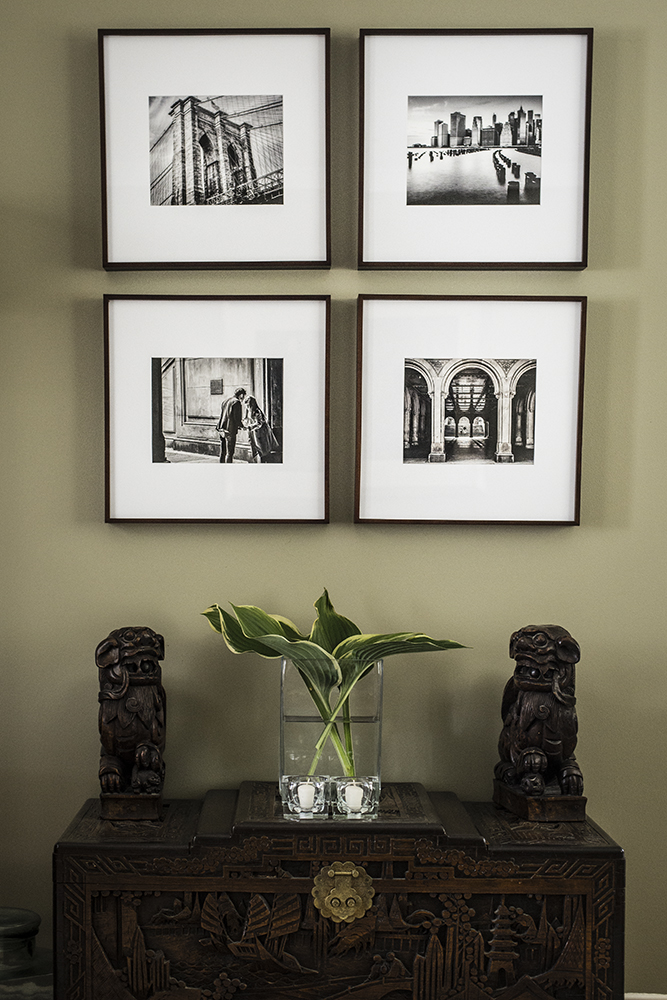
Recently, I also started having my images printed, matted and framed. It took me forever to figure out which ones to select and how to display them. Finally, I settled on a set of black and whites from my New York series. I’m such a big fan of black and white prints and these complement some of the other prints I own that have been done by other photographers. I also thought long and hard about which ones would “spark joy” and maintain my interest over time. I found a wonderful printer in Toronto and had them printed on white rag paper.
I was so pleased with these that I’ve since printed a few more. I’m on my way to creating a gallery wall.
What about you? How do you enjoy your photography in tangible form?


I tell my students that photographs can be reduced to light, lines, and moments. Everything else is derivative.The more I study photographs from the past century — the incredibly short lifespan of our art so far — the more convinced I am that everything’s been photographed, that our challenge now is to manipulate light, lines, and moments in the frame in a way that expresses our unique view of those so oft-photographed subjects.
David Duchemin
I often find myself resonating with the writings of photographer David Duchemin in his books and on his blog, but this quote in particular really hit home.
Don’t you find yourself thinking sometimes that everything has been photographed — and way better than you can do it — so what’s the point exactly?
Well, as Duchemin says, it has. So I find it incredibly helpful to think in terms of light, lines and moments when I have my camera with me and we’re meditating together on what we see.
It is a rare, rare thing when they all come together — light, lines and the moment — but once in a blue moon they might — and you have yourself an image that speaks louder than any words.
This image is one of those for me. When I was photographing at the Bethesda Terrace in Central Park, a young woman busker in a medieval-type dress with a tousle-haired toddler pulling at her skirts moved into the archway facing the staircase to start singing.
She had the voice of an angel. I think she was singing Gregorian chant because the words were not intelligible to me, but that didn’t matter. It was a moment when time stopped. I raised my camera to my eye and clicked.
This image, which is now framed on my wall, brings it all back every time I raise my eyes to look at it.


 Sherrygaley.com