The essence of Thanksgiving…

leaves2

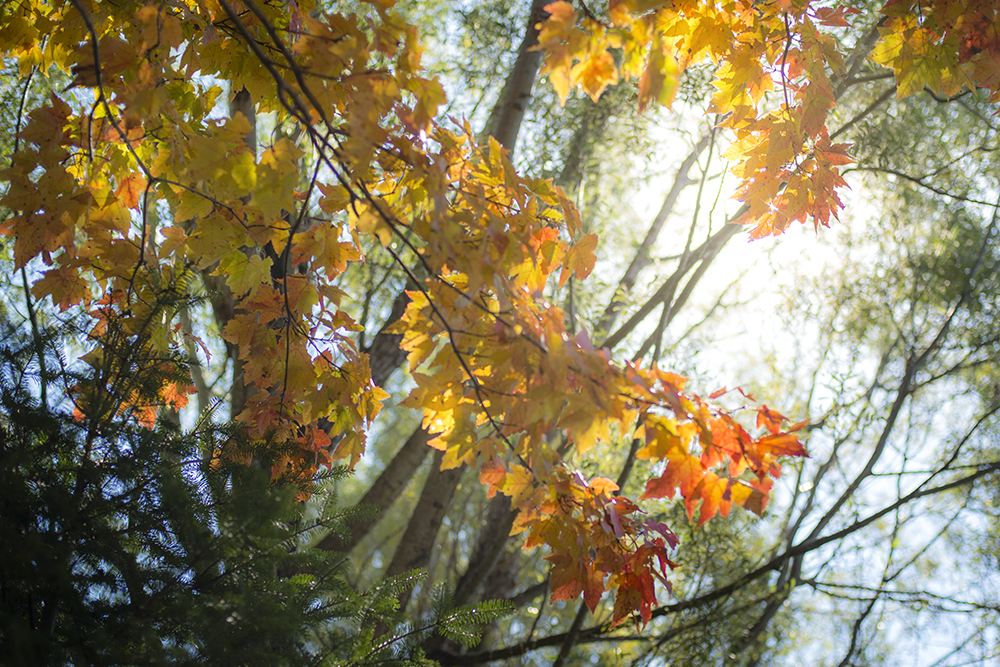
Gratitude is not a passive response to something given to us, gratitude is being awake in the presence of everything that lives within and without us. Gratitude is not something that is shown after the event, it is the deep, a priori state of attention that shows we understand and are equal to the gifted nature of life.

Gratitude is the understanding that many millions of things come together and live together and mesh together and breathe together in order for us to take even one more breath of air, that the underlying gift of life and incarnation as a living, participating human being is privilege, that we are part of something, rather than nothing. Even if that something is temporarily pain or despair, we inhabit a living world, with real faces, real voices, laughter, the color blue, the green of the fields, the freshness of a cold wind, or the tawny hue of a winter landscape.

To see the full miraculous essentiality of the color blue is to be grateful with no necessity for a word of thanks. To see fully, the beauty of a daughter’s face is to be fully grateful without having to seek a God to thank him. To sit among friends and strangers, hearing many voices, strange opinions; to intuit inner lives beneath surface lives, to inhabit many worlds at once in this world, to be a someone amongst all other someones, and therefore to make a conversation without saying a word, is to deepen our sense of presence and therefore our natural sense of thankfulness that everything happens both with us and without us, that we are participants and witness all at once.

Thankfulness finds its full measure in generosity of presence, both through participation and witness. We sit at the table part of every other person’s world while making our own world without will or effort, this is what is extraordinary and gifted, this is the essence of gratefulness, seeing to the heart of privilege.

Thanksgiving happens when our sense of presence meets all other presences. Being unappreciative means we are simply not paying attention.

David Whyte, 2013
leaves3

Almost heaven…

blackwater falls

Blackwater Falls

I am such a cliche!

It was my first time in West Virginia — other than passing through — and all I can sing is John Denver’s song…”Country Roads”.

Mostly in my head…but sometimes in the car, heh heh, in my inimitable out-of-tune style…

I just can’t help it.

But he sure got it right.

Almost heaven, West Virginia
Blue ridge mountains, Shenandoah river
Life is old there, older than the trees
Younger than the mountains, growin’ like a breeze… 

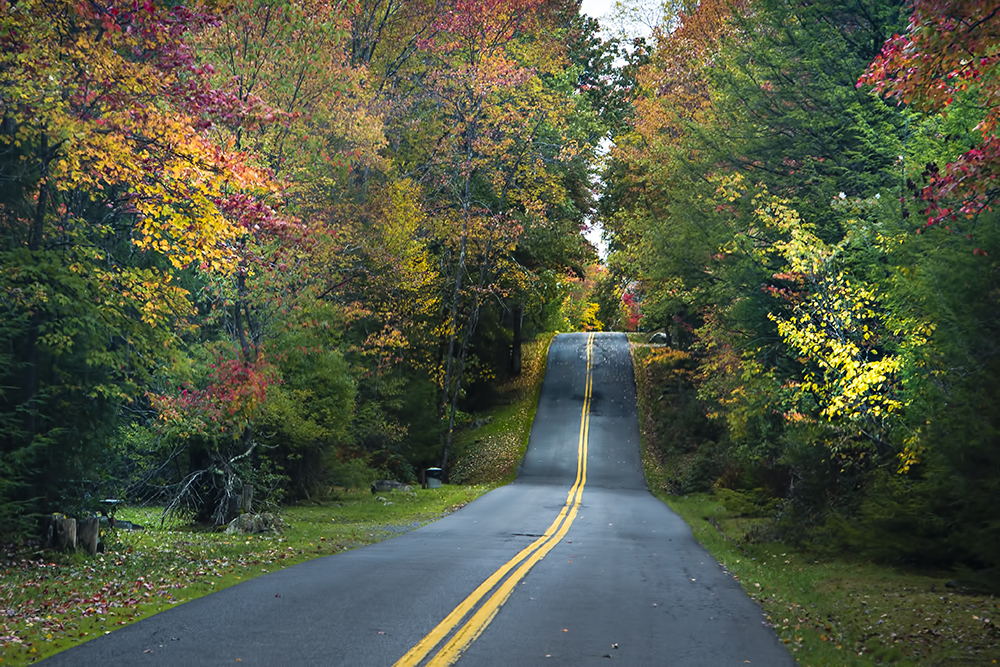
We were invited to stay at a remote cabin in the eastern part of the state that had been built by a friend’s son using plans provided by Bob’s brother. A lovely cosy place with a fireplace that got quite a work out!

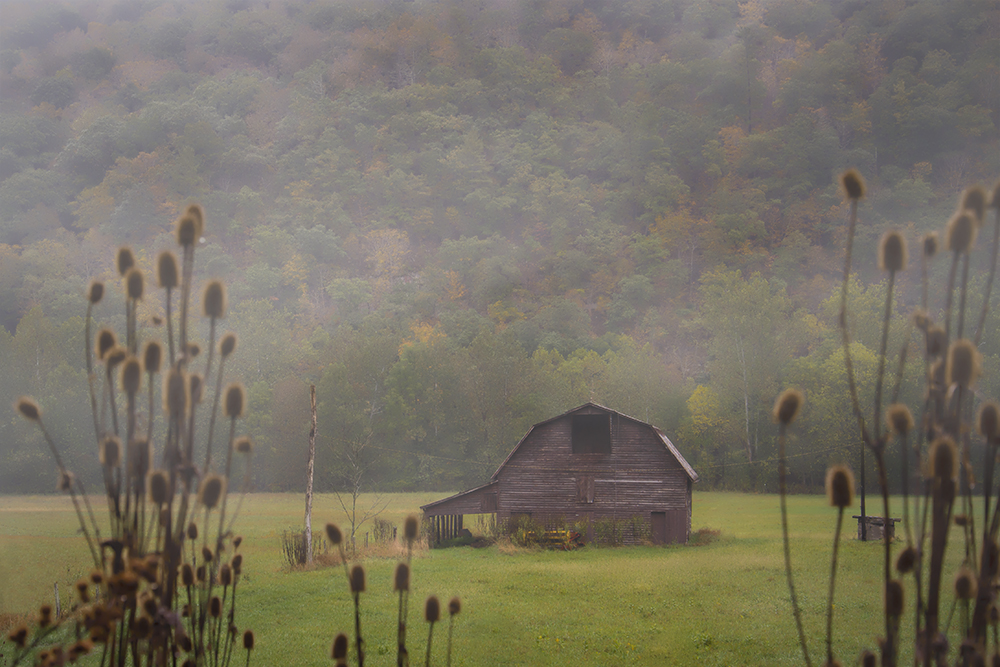
It was a very short trip — and the weather was rainy and misty pretty much the whole time.

But that didn’t deter us.

The first day we drove to Seneca Rocks…

When we returned home, I posted this image on Facebook just to give my friends a little taste of where I was.

seneca rockslr

Seneca Rocks

And what did I see? “You’re here? So am I!!!!!!!”

Whaaaa?

A fabulous photographer, Denise, (see her wonderful photography and writing here) who I had met while taking an online class a while back had been in exactly the same place the same day. And we had eaten in the same deli.

And neither of us knew it.

She posted her shot of Seneca Rocks too.

Now what are the chances of that happening? (We live in Canada 560 miles away and she lives in Ohio.)

Sadly, our trip was too short to figure out a way to meet up (next time!), but we had some good Facebook chats.

I surely appreciated her tips and advice and soaked up her enthusiasm for the area. Her family roots go deep and her passion is profound for the landscape and the people.

I can well see why now. She and her husband and dog, Arthur, the cutest Corgi ever, love to cruise the backroads of the state soaking up the colour and atmosphere.

And that was what we did too.

wvroad2 deerlrTWO DEERmisty scenewvroadlr

I dedicate this post to Denise, a real life mountain momma…

Sing with me…

Country roads, take me home
To the place I belong
West Virginia, mountain momma
Take me home, country roads

— John Denver

Houseboats on the bay…

houseboatshr

As someone who lives on a boat part of the year and loves it, it’s probably not that surprising that I’ve always been fascinated by houseboats — and would love to spend some time in one.

This summer our trip to the Northwest Territories to see family meant that we flew in and out of Yellowknife, which is 250 miles from the Arctic Circle.

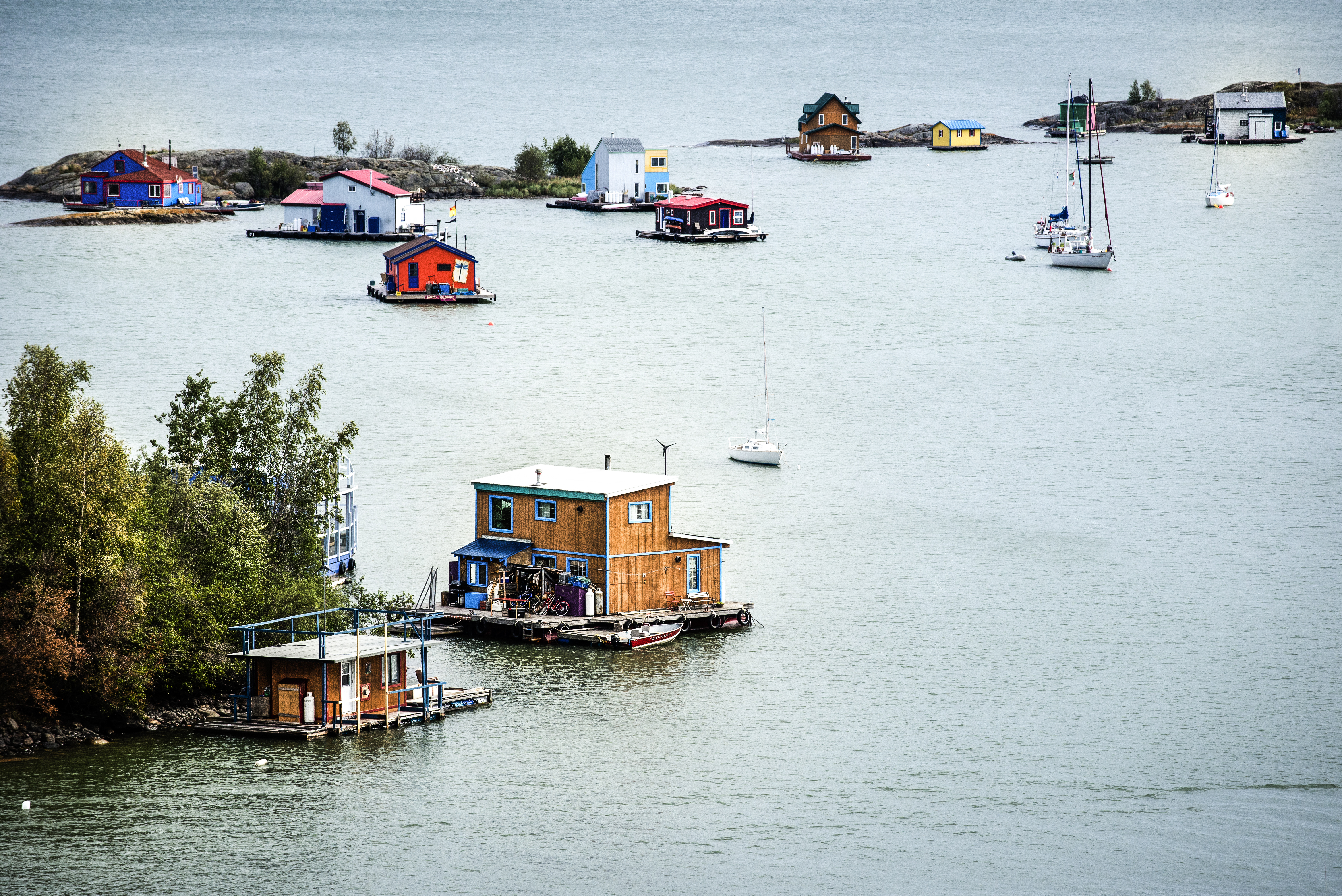
This gave us a chance to see a unique community of houseboats in Yellowknife Bay, right near Old Town — Yellowknife’s original centre.

Old Town was founded in the 1930’s when gold was discovered in the area, and is situated on the shore of Great Slave Lake, a body of fresh water the size of Ireland.

I took this photo from the top of “the Rock”, a six-story rock hill in the centre of Old Town.

The image shows part of a community of houseboats that float between Old Town and nearby islands. It is made up of some 40 fully framed houses mounted on floating, anchored barges. Some are simple, one-story cabins. Others are elaborate, two-storey bungalows. I love the bright colours many are painted.

Who lives here? A mix of artists, professionals and government employees who largely work in town.

As the homes are offshore, they are not legally part of the municipality of Yellowknife so their owners don’t pay municipal taxes. But they also don’t receive services such as electricity, gas and garbage collection. Households are run on a combination of solar electricity, propane, diesel generators and wood stoves, and must deal with their own waste disposal.

In winter, they contend with extreme temperatures. Great Slave Lake is frozen six to seven months of the year. In winter, the boats remain frozen in place by ice one-to-two-metres thick. Without central gas heating, these homes can get nippy.

Some of the owners operate Bed and Breakfasts from their houseboats, giving visitors to the North the opportunity for a unique living experience.

I was curious to find out more about what these houseboats are like inside. If you are too, have a look at this short video. The video features the houseboat that is second from the top left in this image.

Having seen this I still love the idea of staying in one of these — in the summer. I think I will pass on the winter stay.

Be open…

doorwayWhen it comes to advice on photography, there is no shortage out there — and in the hopes of improving my photography, I’ve read and watched a tremendous amount of it. You too?

But one piece of advice — from the incomparable photographer Jay Maisel, who I’ve mentioned before (see some great quotes here) — has always resonated with me, and so tends to rest there in my unconscious every time I go out into the world with my camera.

Be open. 

That’s it, that’s all.

Don’t go out looking for something specific to shoot — be receptive and willing to let that something come to you.

This is what happened to me recently when I was visiting a friend, who has, with her partner, created a magical garden in a minuscule space in the city.

The garden is as much vertical as it is horizontal, with climbing vines everywhere, producing amazing veggies and flowers throughout the growing season.

At this time of year, the arbour drips with concord grapes and the musky rich smell is intoxicating as you enter the gate.

grapes

I had in my mind that I wanted to capture the whole thing with my camera, and I busily set about shooting this view and that view. I took pictures of squashes, jalapeño peppers, nicotiana, cosmos, morning glory vines and much more… It was all truly lovely.

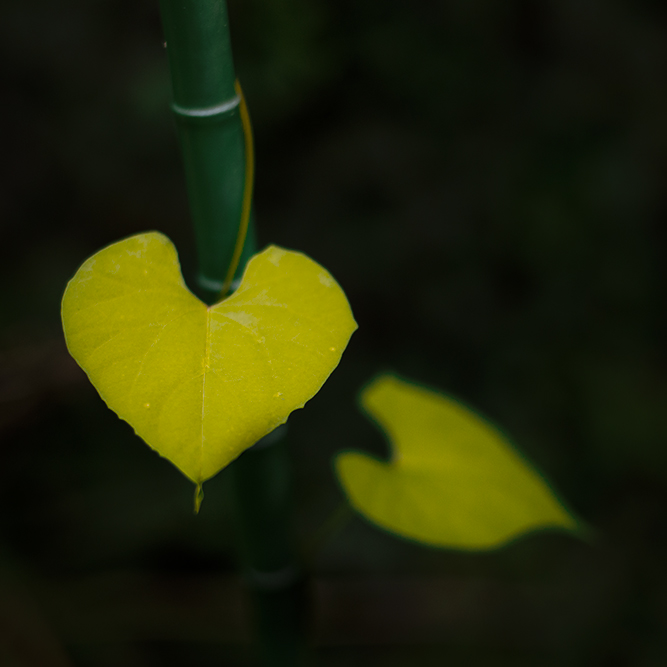
cosmos heart leavessq

I was losing the light so I noticed myself moving very quickly, not wanting to miss anything. But I had this feeling that I wasn’t connecting enough to this beautiful space. My preconceived notions were getting in the way.

How many times does that happen to me — to you?

So I deliberately slowed down and let the expectations go. I walked through the garden again at a slower pace, really taking in what was there. I tried to stop looking for the view I thought I should be capturing and just left myself open.

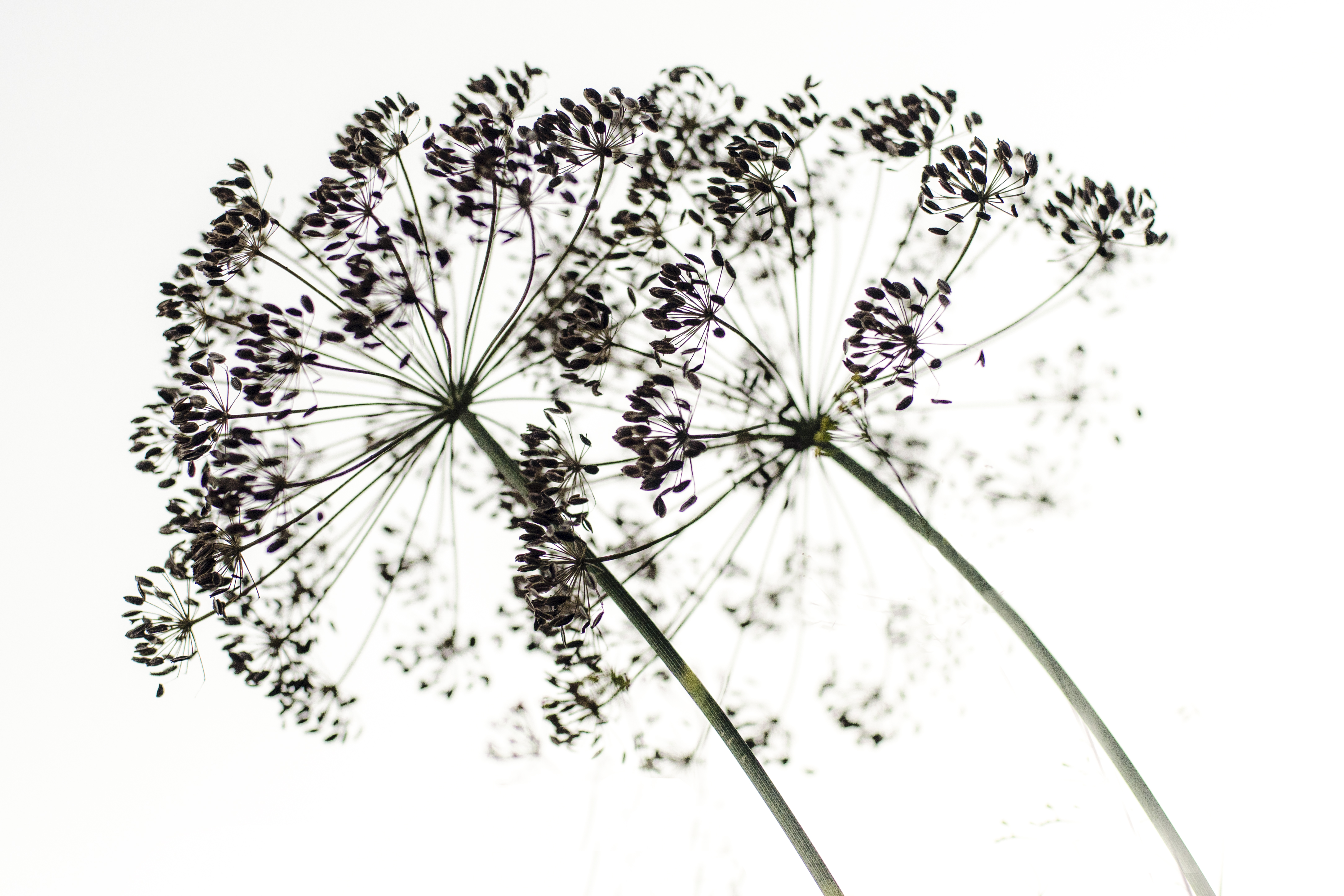
That’s when I saw the seedheads on the dill. I hadn’t noticed them at all before — they were brown and blended into the background   — kinda of mousy — not showy at all. I had been more fixated on the brighter colours and bolder shapes.

magical seedheadsrgb

But, this time they captured me. Their delicate, intricate beauty became evident when I paid them the attention they deserved.

And they turned out to be magical, even luminescent, in the fading light of the garden.

As well as a great reminder of some of the best advice ever.

seedhead

McAvoy Rock, Yellowknife

painted rock

Yellowknife, Northwest Territories

Walking through Old Town in Yellowknife, you can’t help but be stopped by this striking large-scale public art painted on a very large rock face.

This is McAvoy Rock and the art and sculpture are part of a cross-cultural project initiated by the Federation Franco-Tenoise.

The project began in 1999 with the creation of a marble sculpture by Yellowknife artist Sonny MacDonald, Dene carver John Sabourin, Eli Nasogaluak from Tuktoyaktuk and  Armand Vaillancourt from Montreal.

This marble sculpture is on permanent exhibit in the Great Hall of the Legislative Assembly. A bronze copy of the sculpture is pictured here at the foot of McAvoy Rock.

The first phase also saw the creation of 1,500 multi-coloured symbols painted directly onto the facade of the rock and the installation of a teepee at the summit.

It symbolizes hope for better understanding and cooperation between different peoples. Something there can never be too much of…

More wildness…

frame lake-gettylr

Frame Lake, Yellowknife, Northwest Territories

You need more wildness in your life.

Max Gladstone

Take this however you want, but, really, who can argue with it?

Often nature is just what the doctor ordered…

This short spoof about prescription-strength nature has been going around and if you haven’t seen it yet, why not take a moment to watch this!

It is sure to make you smile…


The language of cranes…

sandhill cranehr

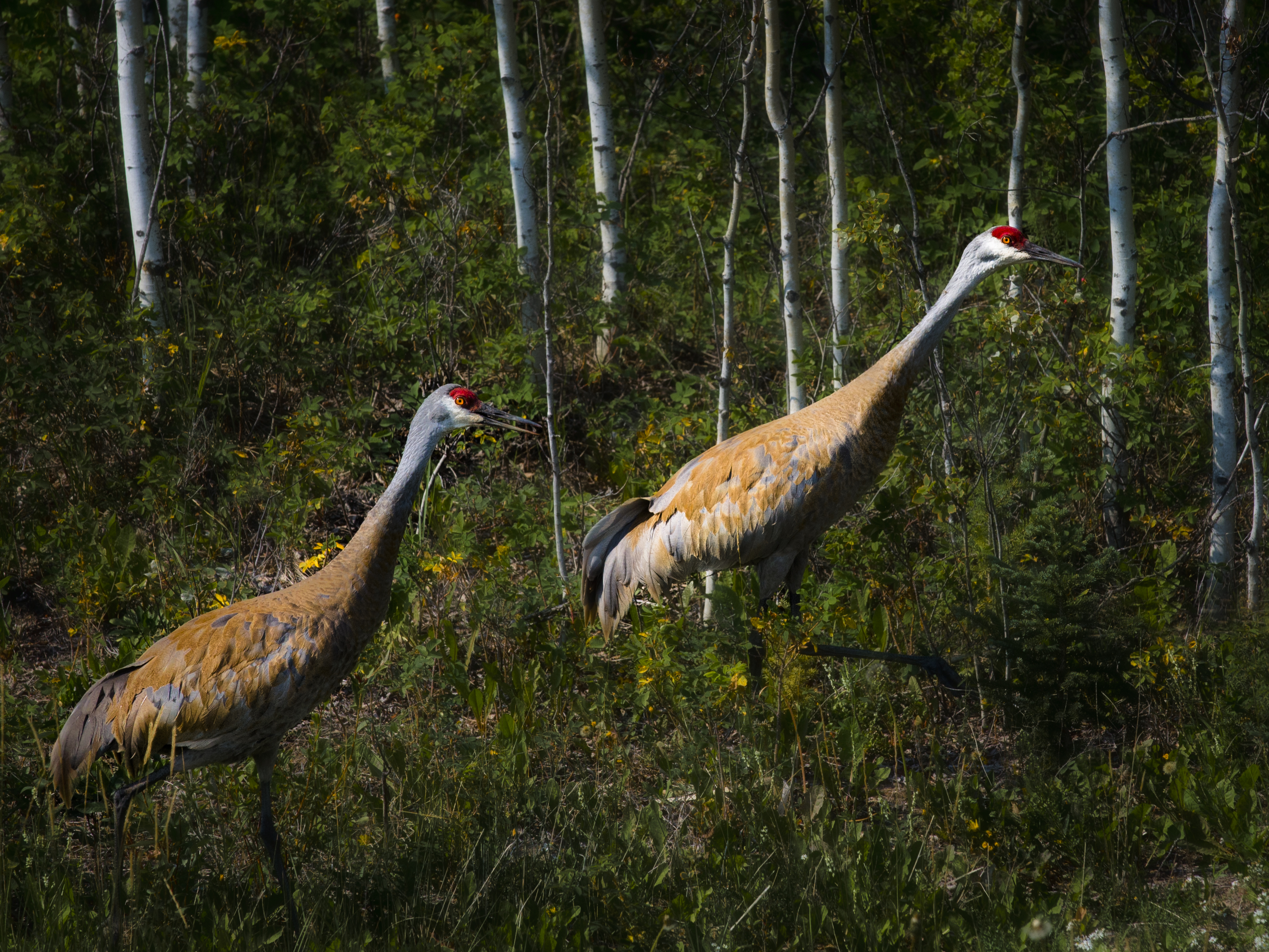
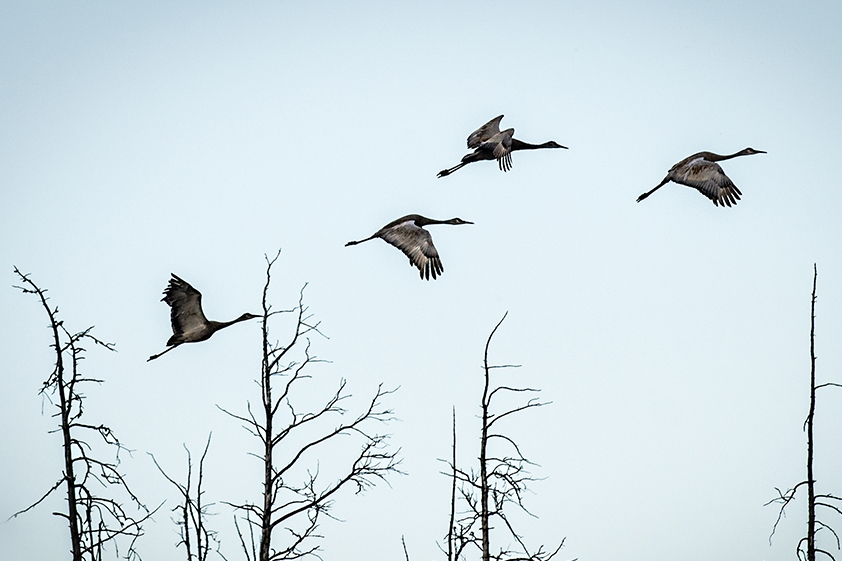
Sandhill cranes nest in the wetlands of the Northwest Territories before beginning their trek south for the winter. 

tow craneshr

Mated pairs of sandhill cranes stay together year round, and migrate south as a group with their offspring. Both males and females incubate the eggs. Their calls are unique — they give loud, rattling bugle calls, each lasting a couple of seconds and often strung together — and can be heard up to 2.5 miles away. 

cranes flying-edited

These cranes have a large wingspan, typically 1.65 to 2.29 m (5 ft 5 in to 7 ft 6 in), which make them very skilled soaring birds, similar in style to hawks and eagles.

Listen to their unique calls here… 

The Sandhills 

The language of cranes

we once were told

is the wind. The wind

is their method,

their current, the translated story

of life they write across the sky…

Linda Hogan

Images are from my August trip to Canada’s North, (above the 60th parallel) — the spectacular Northwest Territories…