The art of seeing…

binocsfrom-above

Processed with a layer of Kim Klassen’s “Isobel”.

In Week #6 of 2B or Beyond, Beyond with Kim Klassen, the challenge was to shoot from above. Some people shoot down a lot but I tend not to, so it’s a good exercise. I focused on my grandfather’s binoculars once again because I love their patina and their personal meaning and, yes, their symbolism.

As for the quote, isn’t that what we who adore photography are always striving to cultivate?

Dream a little dream…

For in dreams we enter a world that is entirely our own.

J.K. Rowling

alena-dreamy

Processed with Kim Klassen’s “roid-love”.

Sharing with Kim Klassen’s Texture Tuesday. Why not go on over and check out the other dreamy images in the Dream-like edition?

Juicy beauty…

Let us learn to appreciate there will be times when the trees will be bare, and look forward to the time when we may pick the fruit.

Anton Chekhov

peach

Processed with Flypaper textures

I’m learning about light…and when I see thrilling light, I jump on it. So when I was munching on this luscious tree-ripened peach this morning, I had to grab my camera. The morning light falling on its juicy beauty reminded me of a Renaissance still-life painting.

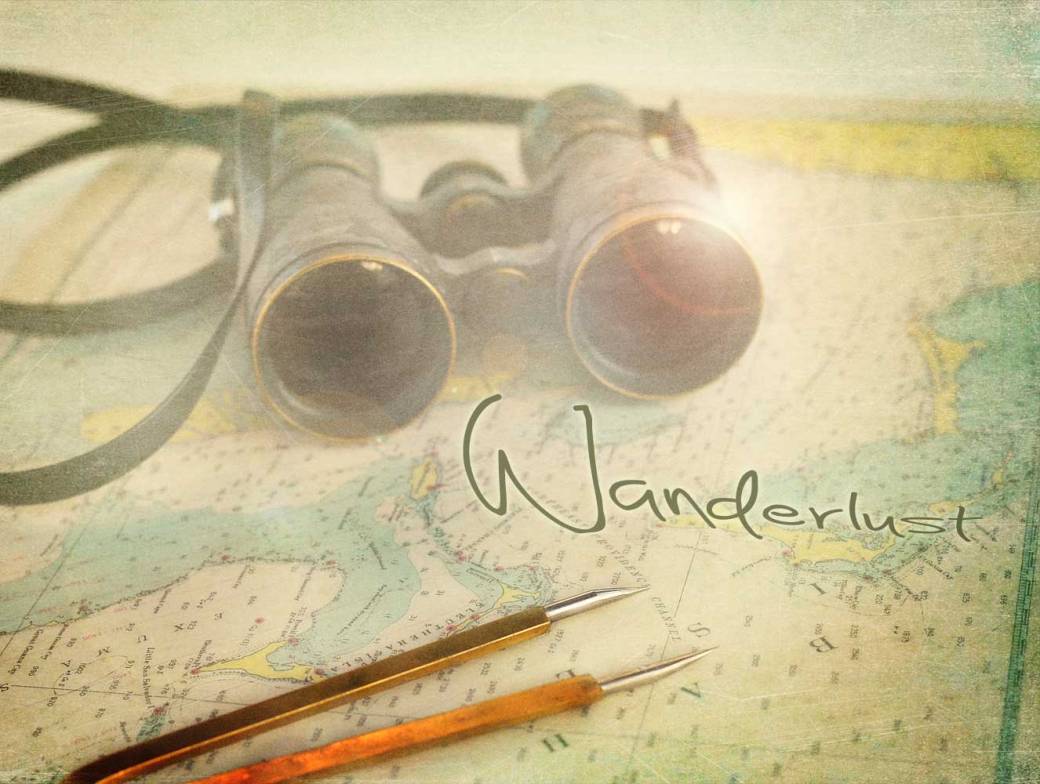
Wanderlust…

This image is for Week 4 in my online class Beyond Beyond with Kim Klassen. The challenge was to take something from indoors and photograph it outdoors.

This proved to be not too challenging for me since outdoors is not too far from indoors on a sailboat — just a few steps up from the cabin — and we live out there a lot of the time.

Nonetheless, I brought my grandfather’s binoculars (which I brought for good luck) outside, along with an old map of the Bahamas and a set of dividers, and placed them on the cockpit table.

I used a couple of layers of Kim’s “Violet” texture from her new beautiful Downton Abbey set. (Coincidentally, we started watching Season 2 last night as we settled in cosily and listened to the rain start to pelt down on the boat.)

binocs3

Softly, softly…

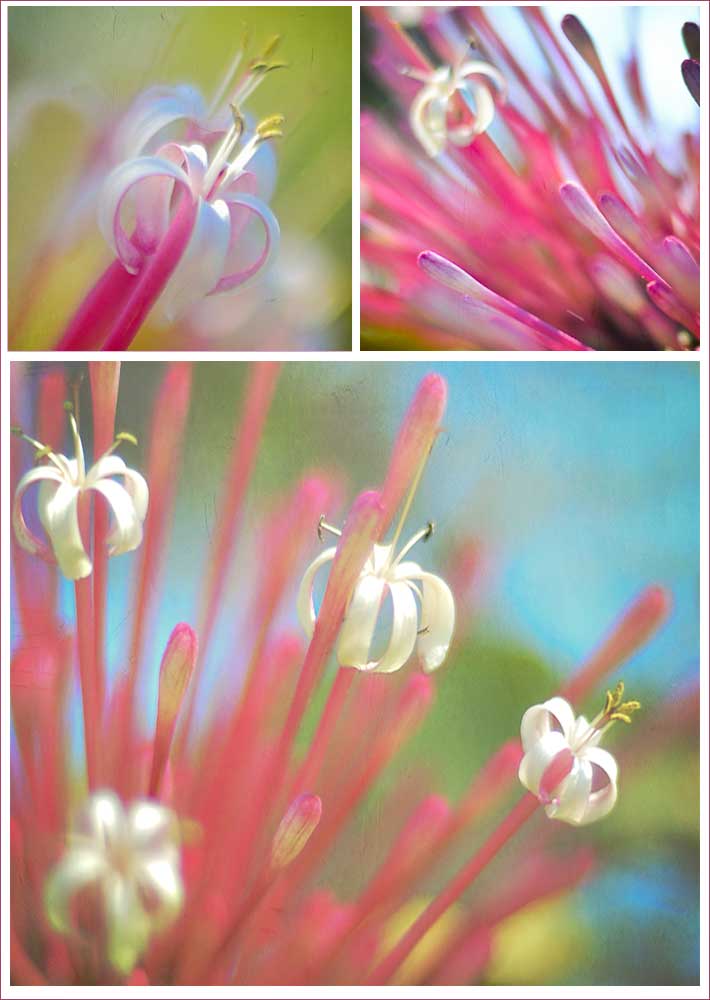
This triptych is for Week Three in Beyond Beyond with Kim Klassen. The challenge was to experiment with focusing on different areas of the same shot to see what kind of effects could be created. I used my nifty fifty F.1.4 extremely wide open to get the blurred backgrounds. I added a few layers of Kim’s “softly” texture to, well, yes, soften the images further.

finaldof

Mystery by the sea…

Every month Kat Sloma of Kat Eye Studio asks us to pick an image from the month that we are most drawn to…one that calls to us and captivates us.

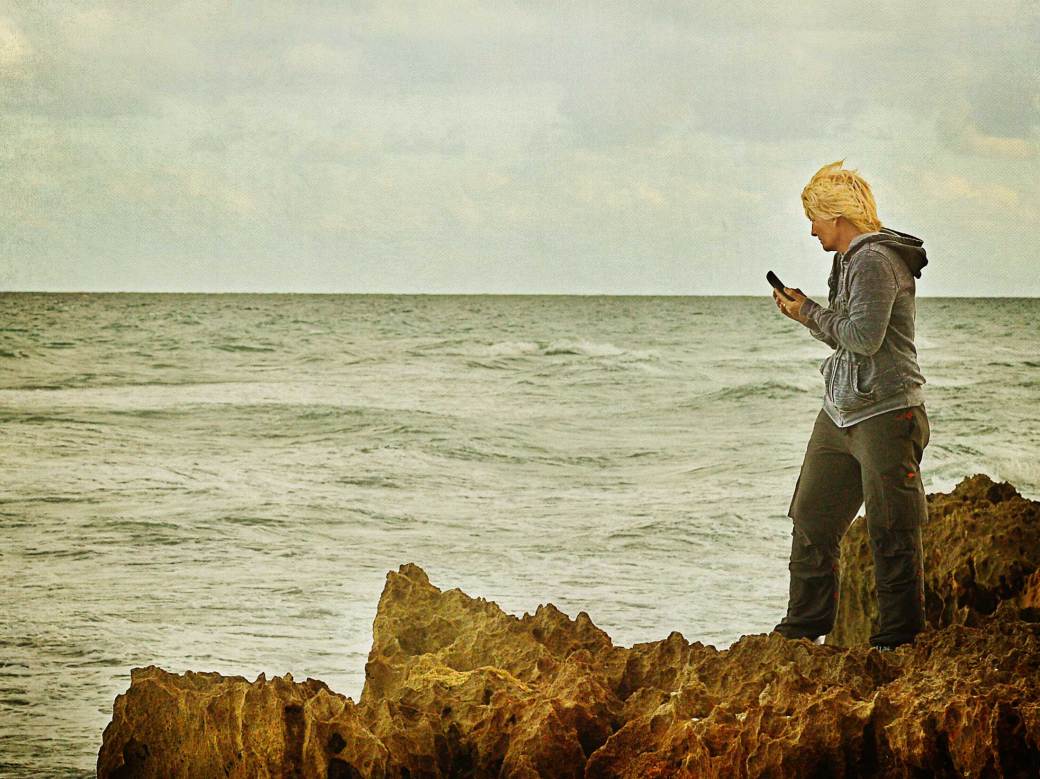
Here is my January image for her Photo Heart Connection. I love it because it tells a story — but what story?  It suggests bigger themes, but the meaning is left to the viewer to discern.

The young woman is all alone on the craggy coral overlooking a wild and windy ocean and she is looking at her cell phone. Is she checking her messages? Is she thinking about calling someone? Is she trying to capture the beauty in front of her?

stage2

I was standing quite far away from her and shooting images in the opposite direction. I remembered my father’s photographic advice (he was a pretty good amateur photographer so I grew up going on photo shoots with him and whatever little camera I was using at the time). He used to say: “Don’t forget to turn around and look behind you;  sometimes there’s something more interesting there…” So I did.

I immediately noticed her standing there on the cliffs. And I liked her solitary stance overlooking the ocean. I could see she had something in her hand, but I couldn’t see what. I clicked a few images. I was using my long lens (70 to 200 mm) so it was only later when I downloaded the images I could see she was holding a cell phone.

But that should not come as any surprise.

These days we mediate so much of our direct experience through communications technology. We document so much of our lives and then share it in a multitude of ways. I’m no exception, obviously.

A bigger philosophical question is why… I think that it has something to do with a yearning for connection. We are social beings and we want to make meaning of our experiences and share them with others. We want to feel that we are not totally alone in this huge, sometimes scary, world of ours.

We seek communion in a sharing of the mysteries of living — the awe-inspiring mysteries of the wild places that turn our thoughts heavenward, and the not-so-awe-inspiring mysteries of the earthly life we all live every day.

I will never know what this young woman was doing, but she wasn’t alone.

Texture Tuesday: Colour pop

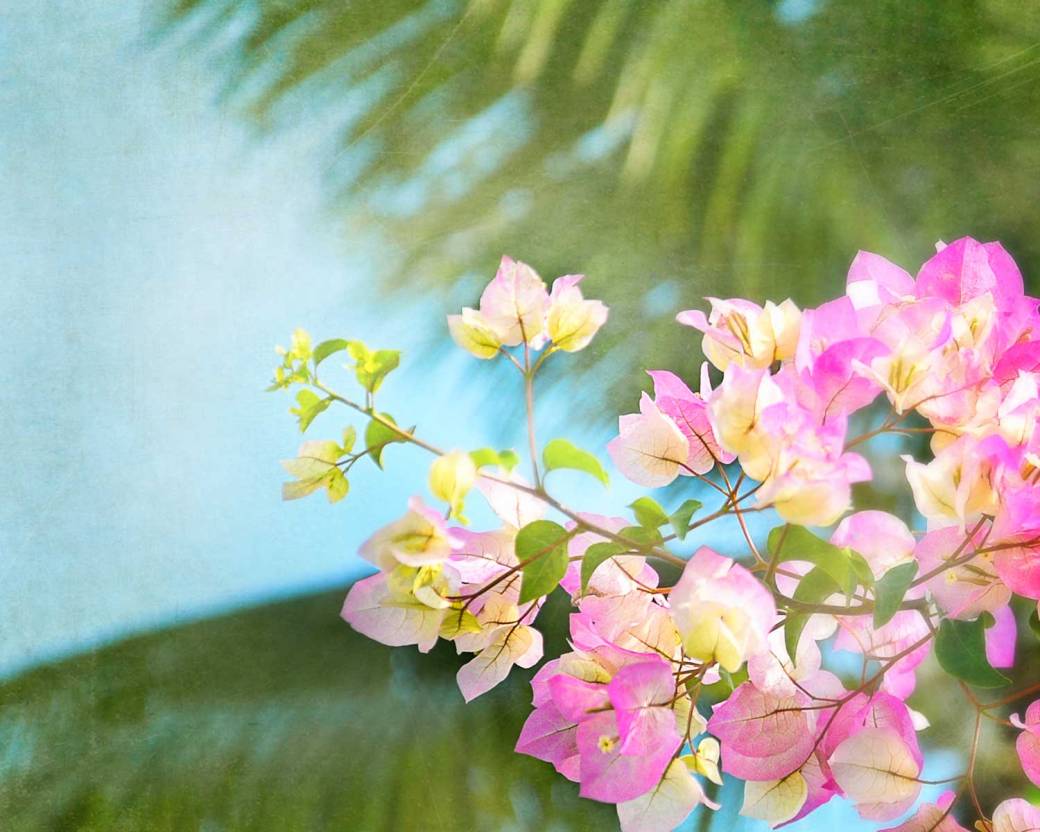
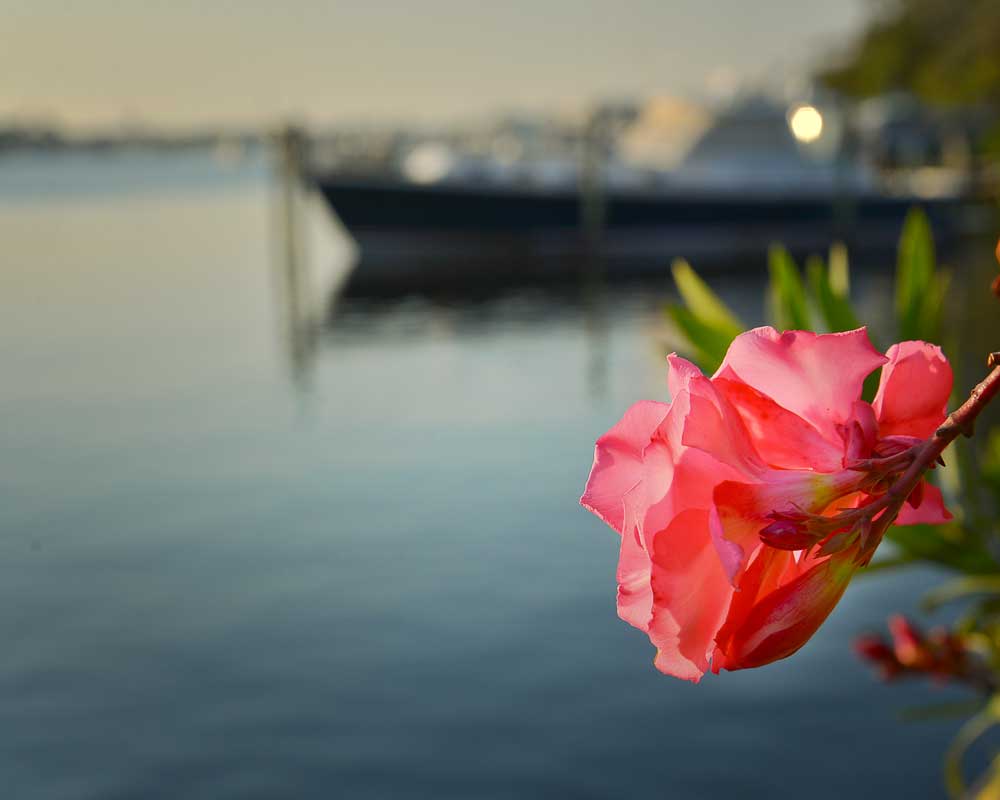
This week, I’m sharing my “pop of pink” with Kim Klassen’s Texture Tuesdays. (If you’re yearning for a bouquet of mood-boosting colourful images, you’ll want to hop on over there right now.)

Processed with Kim Klassen’s “musiclight” texture. Font is 1942 report.

I have to admit that I am easily pleased. And one of the things that always pleases me is beautiful colour, whether in the natural world or the human-made one . But it was in Kat Sloma’s Find Your Eye course that I first understood my own preferences and relationship to colour in my images.

From the beginning I have been attracted to and repelled by certain uses of colour, but it was all unconscious until I spent some time reflecting on it in Kat’s excellent courses.

If you’re looking to refine your unique photographic style, I would highly recommend her online courses. They help you to “dive deeper into experiencing the environment around you and learn to understand what calls to you.”

I have come to realize that I am not generally one for riotous mixtures of disorganized colour in my images. I realize I am very affected by colour and too much can be jarring and over stimulating to look at.

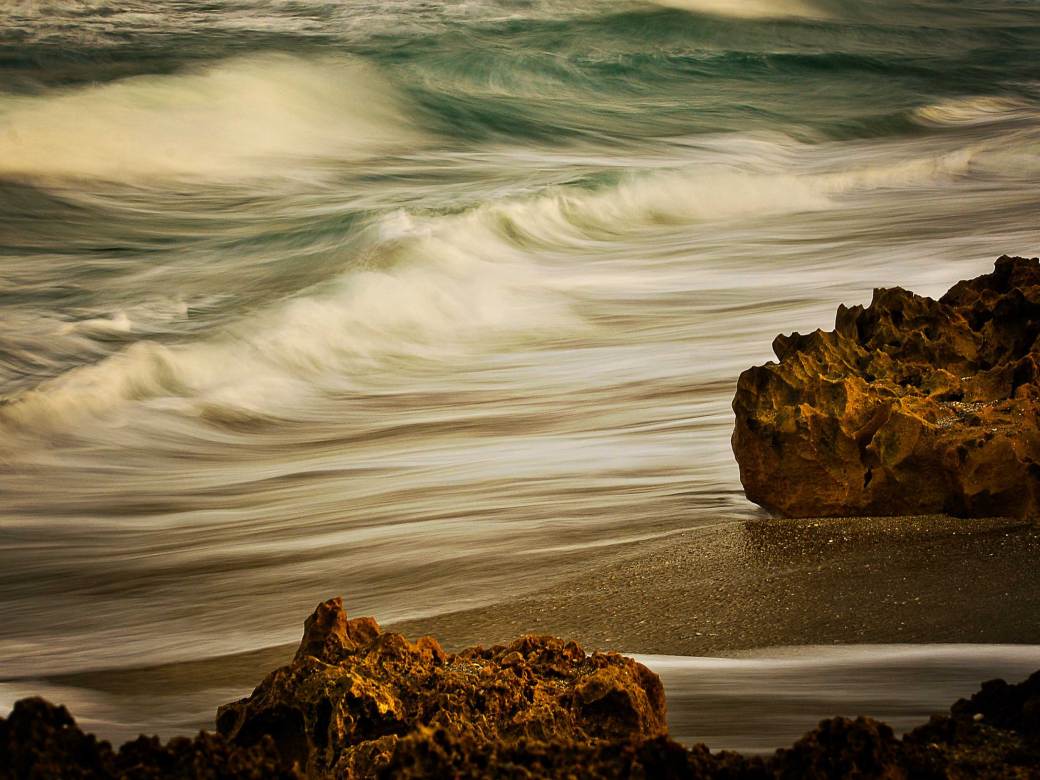
I am most often drawn to very subtle, soft and restrained colour palettes rather than primary hues. I love monochrome or almost-monochrome images.  When using more colour, I prefer analogous schemes — colours that nestle next to each other on the colour wheel (like blues and turquoises and greens) — which are often found in nature. The shifting colours of the ocean never cease to pull my camera in their direction.

The other way colour shows up in my images is as soft complementary colours — opposite colours on the wheel — like blue and orange or pink and light green. Most of the time I shoot these pairings quite unconsciously…and when I come home and look at my images in Bridge, I’ll shake my head to realize I’ve done it again!

Mark Nepo, the author of the quote above, has many wonderful books out — one of his most well known is the Book of Awakening.

If you’re a fan — or curious to know more about him — you might enjoy a wonderful interview with Mark Nepo by Jennifer Louden.